Reshaping Intensive Aquaculture Ecosystems: Innovative Breakthroughs of Sodium Humate in Green Export Compliance and Water Quality Management
In modern high-density intensive aquaculture, global requirements for seafood safety and environmental export compliance, such as green eco-standards and organic certification, have become increasingly stringent. International buyers and farm operations engineers are now facing unprecedented challenges in water quality control. Long-term high-density feeding leads to bottom sludge eutrophication, heavy metal accumulation, and acute aquatic stress responses, which not only reduce survival rates but also pose significant compliance barriers to international trade.
Traditional chemical water treatments often carry risks of secondary residue or short-term ecotoxicity, making them unsuitable for meeting strict supply chain sustainability audits. Against this backdrop, high-purity Sodium Humate, a natural macromolecular organic extract, is undergoing a major functional paradigm shift in aquaculture eco-restoration.
1. Natural Chelation Dynamics: Tackling Sediment Degradation and Heavy Metal Toxicity
In high-density fish and shrimp farming, unconsumed feed and metabolic waste accumulate at the pond bottom, quickly creating anaerobic fermentation zones. These zones release toxic substances like ammonia nitrogen, nitrites, and hydrogen sulfide. Additionally, naturally occurring free heavy metal ions (such as copper, lead, and zinc) in source water exert chronic immunosuppressive stress on aquatic species.
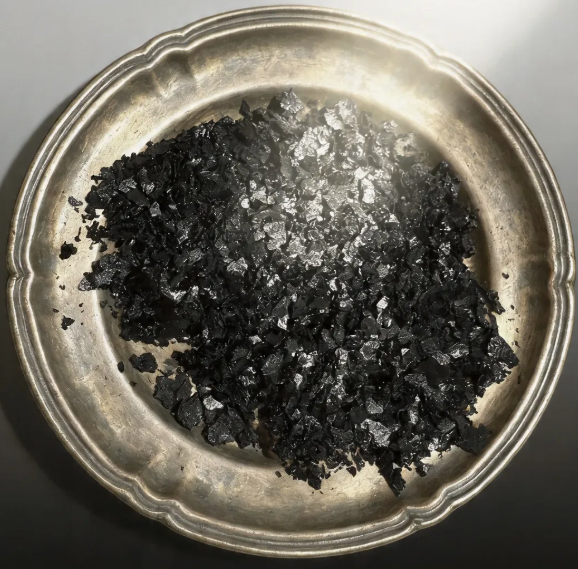
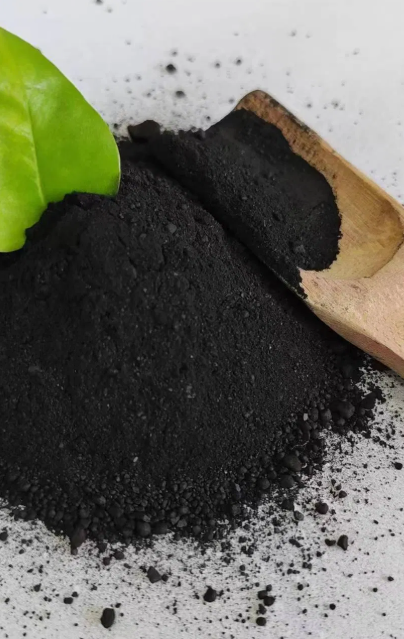
As an advanced Aquaculture Water Conditioner, high-grade humic salt features a rich matrix of active functional groups, including carboxyl and phenolic hydroxyl groups. These functional groups exhibit exceptional ion-exchange and natural chelation capacities. They rapidly bind free heavy metal ions in the water column and sediment, transforming them into non-toxic or low-toxicity stable complexes that settle safely into deeper sediment layers. This mechanism significantly reduces aquatic ecotoxicity while establishing a stable environment for beneficial microbes to digest organic sludge.
2. Dual-Action Clarification and Algae Suppression: Physical Shielding and Biological Balance
As culture cycles progress, intense solar radiation combined with elevated nutrient levels frequently triggers blue-green algae blooms. These blooms cause extreme dissolved oxygen fluctuations and accumulate dangerous cyanotoxins.
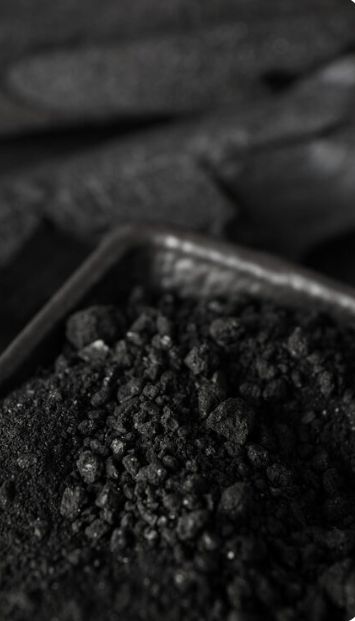
When applied as a Pond Water Treatment, the brown organic matrix forms a subtle, translucent tea-colored light barrier across the water column. This natural physical shading selectively attenuates light intensity in the middle and lower water strata, suppressing the photosynthetic overgrowth of light-sensitive cyanobacteria and stabilizing transparency. Concurrently, its macromolecular structure acts as a natural flocculant, binding suspended solids and organic colloids to enhance water clarity and self-purification capacity, creating an ideal micro-environment for sensitive species.
3. Driving International Green Compliance and Mitigating Supply Chain Trade Risks
For chemical raw material buyers and seafood exporters targeting global markets, regulatory compliance is paramount. Extracted from high-grade natural leonardite or lignite, high-quality Shrimp Farming Additive products contain zero synthetic pesticide residues and zero antibiotic risks, fully aligning with international standards for eco-friendly, zero-residue aquaculture inputs.
Integrating natural humic fractions into farm management protocols enables operators to substantially lower their reliance on synthetic chemicals and harsh disinfestation agents. This directly safeguards the food safety integrity of harvested aquatic products, helping enterprises pass stringent border inspections in North American and European markets while providing B2B buyers with a competitive, eco-compliant solution.
Conclusion
As the global aquaculture industry accelerates its transition toward green, low-carbon, and sustainable practices, humic acid derivatives have evolved far beyond basic additives. Serving as a multi-functional natural medium for water purification, heavy metal detoxification, and sediment remediation, they offer global engineering teams and chemical buyers an efficient, fully compliant, and environmentally valuable solution for sustainable water management.