
Reshaping Modern Aquaculture: Innovative Practices of Sodium Humate in Tackling Climate Extremes and Pond Degradation
As the global aquaculture industry faces dual challenges from climate volatility and water degradation under high-density farming, conventional water treatment approaches are showing clear limitations. Qingdao Kemdon, as a dedicated provider in the chemical and water conditioning sectors, focuses on addressable pain points within the industry: how to achieve long-term water stability and deep bottom-soil restoration without disrupting the fragile aquatic micro-ecosystem.
This news feature highlights the advanced applications of Sodium Humate in extreme weather response and intensive shrimp farming. Moving beyond the traditional view of humates as mere shade agents or basic water clarifiers, modern field practices demonstrate that the molecular chelating power and bio-regulatory functions of this active organic macromolecule are fundamentally reshaping water management protocols.
1. Responding to Heavy Rain and Heatwaves: Redefining the Water "Buffer Barrier"
During periods of intense summer heat and sudden heavy rainfall, aquaculture ponds are highly vulnerable to abrupt water quality collapses. When torrential rains disrupt salinity and pH balance, toxic substances from the pond bottom—such as free ammonia nitrogen and nitrites—surge to the upper layers, causing severe shock to sensitive aquatic species like shrimp.
Acting as a multifunctional Aquaculture Water Conditioner, Sodium Humate demonstrates remarkable physical and chemical buffering capacity through its unique reticular molecular architecture and abundant functional groups (carboxyl and phenolic hydroxyl groups):
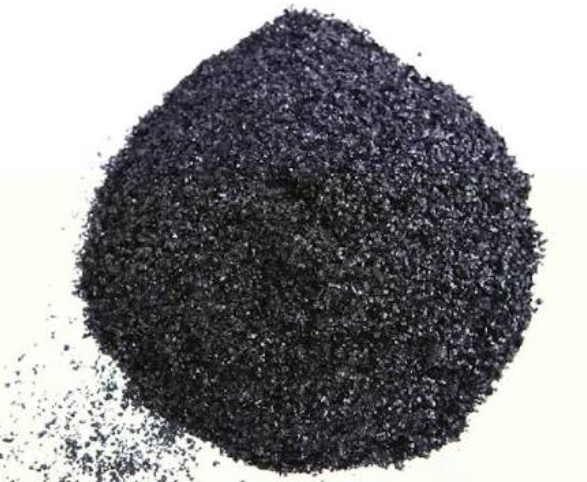
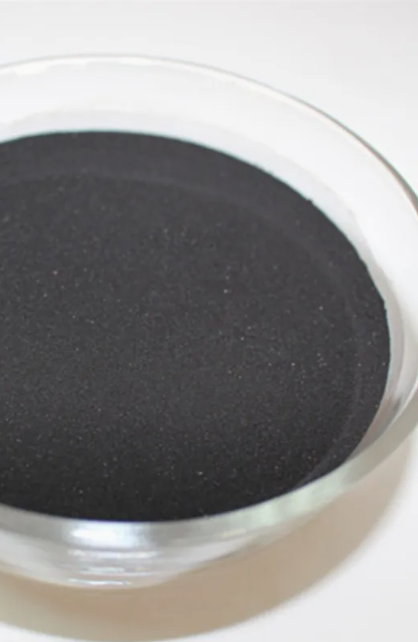
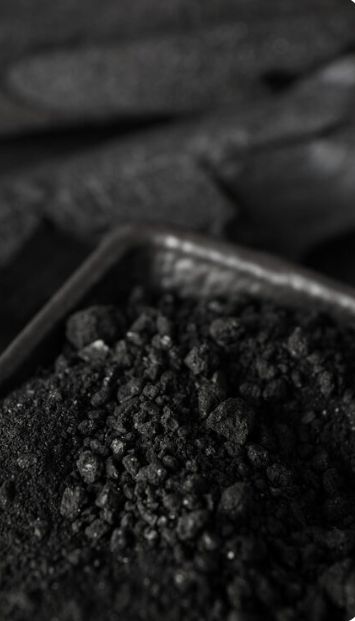
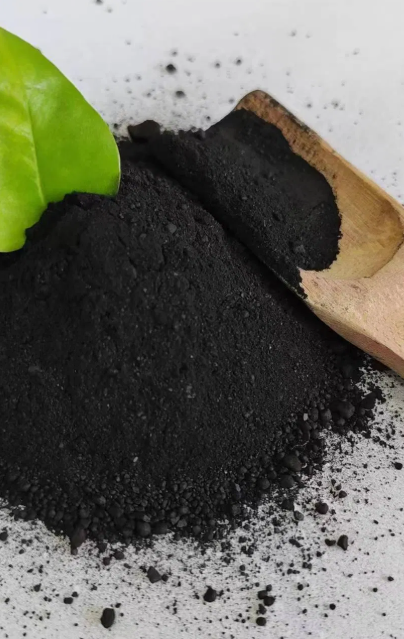
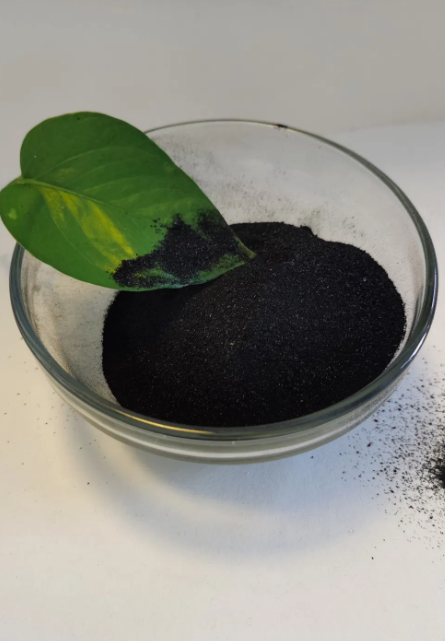
- Physical Shading and Photosynthetic Regulation: High-purity Sodium Humate Powder dissolves quickly to form a stable colloid layer. This not only filters excessive ultraviolet radiation to prevent surface water temperatures from spiking, but also inhibits the overgrowth of harmful blue-green algae at the bottom, creating a competitive window for beneficial diatoms.
- Targeted Heavy Metal and Toxin Adsorption: During water stress events, Sodium Humate actively chelates with free heavy metal ions (such as copper, zinc, and lead) and organic pesticide residues. By converting them into non-toxic or low-toxicity complexes that settle benignly, it significantly lowers environmental toxicity for aquatic life.
2. From Substrate to Gut: Building a "Water-Soil-Organism" Tri-Layered Protection Network
In high-density shrimp culture, the degradation of bottom substrate during the middle and late farming cycles is the root cause of pathogenic bacterial outbreaks, such as Vibrio. While traditional chemical oxidizers yield quick results, frequent usage can lead to soil compaction and loss of biological vitality.
Innovative water quality management advocates leveraging the natural bio-activity of humic substances:
- Substrate Structure Loosening: Functions as an effective Pond Water Treatment media, Sodium Humate settles to the pond bed where it interacts with inorganic silt particles to form stable aggregate structures. This enhances sediment porosity, improves oxygen permeability, and offers an ideal physical matrix for beneficial anaerobic and facultative microbes to accelerate sludge decomposition.
- Indirect Protection of Shrimp Intestinal Health: Shrimp naturally graze on benthic detritus. When used as a strategic Shrimp Farming Additive in the water column, high-activity Sodium Humate mitigates physiological stress through water purification while forming a protective coating on intestinal mucosal surfaces when ingested in small amounts. This helps bind and neutralize enterotoxins, reducing the incidence of early mortality and gut diseases.
3. Cross-Industry Standards: Quality Control for Industrial-Grade Humate Exports
As global procurement standards for chemical compliance and environmental sustainability become increasingly stringent, international buyers and aquaculture engineers are looking beyond raw pricing. Today's market demands superior water solubility, low heavy-metal residue, and batch-to-batch consistency in Industrial Humate products.
Qingdao Kemdon continues to refine its manufacturing processes and quality assurance frameworks, ensuring that every batch meets rigorous solubility and bio-activity benchmarks to serve custom industrial and aquaculture applications worldwide.