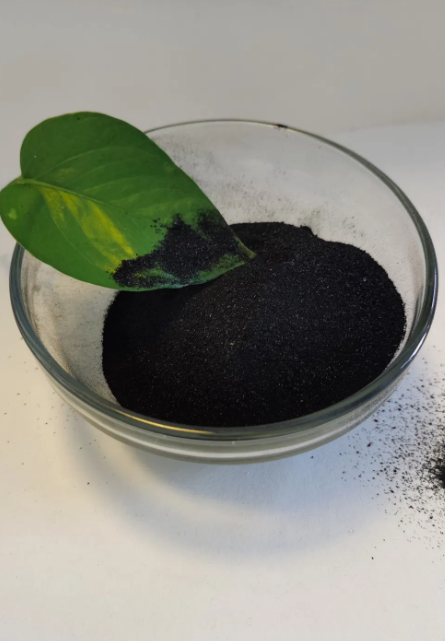
Sodium Humate vs. EDTA: Choosing the Optimal Water Quality Improver for Shrimp Aquaculture
In intensive aquaculture, maintaining pristine water chemistry is the baseline for high survival rates and optimal growth. For procurement managers and pond engineers sourcing effective treatments, the choice often comes down to specialized chelators and organic conditioners. While Ethylenediaminetetraacetic acid (EDTA) has long been a traditional standard for binding heavy metals, modern eco-conscious farming is rapidly shifting toward a multi-functional alternative: Sodium Humate.
This article provides a rigorous comparison between these two agents to help you select the ultimate Water Quality Improver for your operations.
1. Heavy Metal Chelation vs. Holistic Remediation
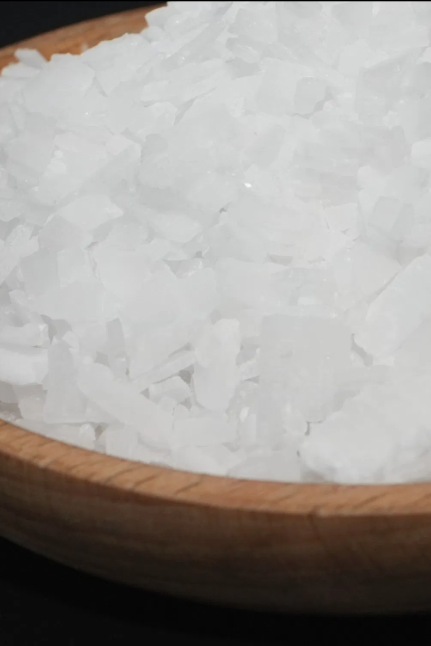
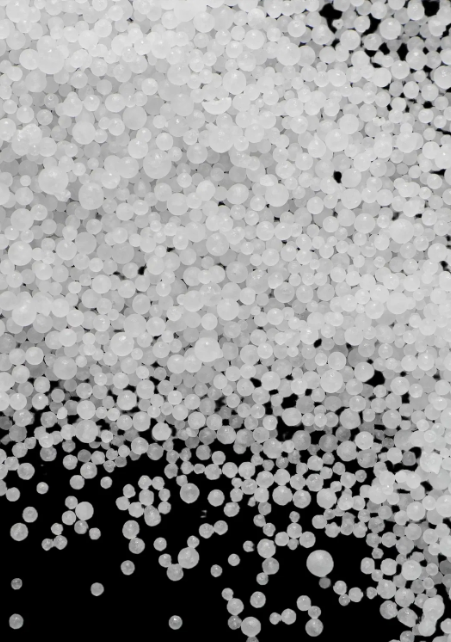
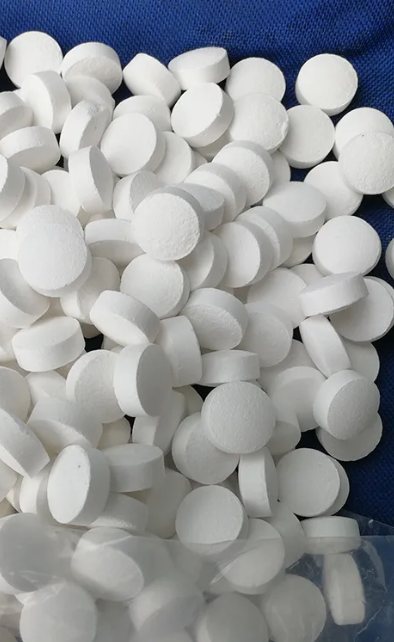
EDTA is a highly specific, synthetic chelating agent designed primarily to sequester divalent and trivalent metal ions such as copper, lead, and zinc. It does this exceptionally well by forming stable, water-soluble complexes. However, EDTA possesses no biological activity, does not degrade easily, and contributes nothing to the biological equilibrium of the pond.
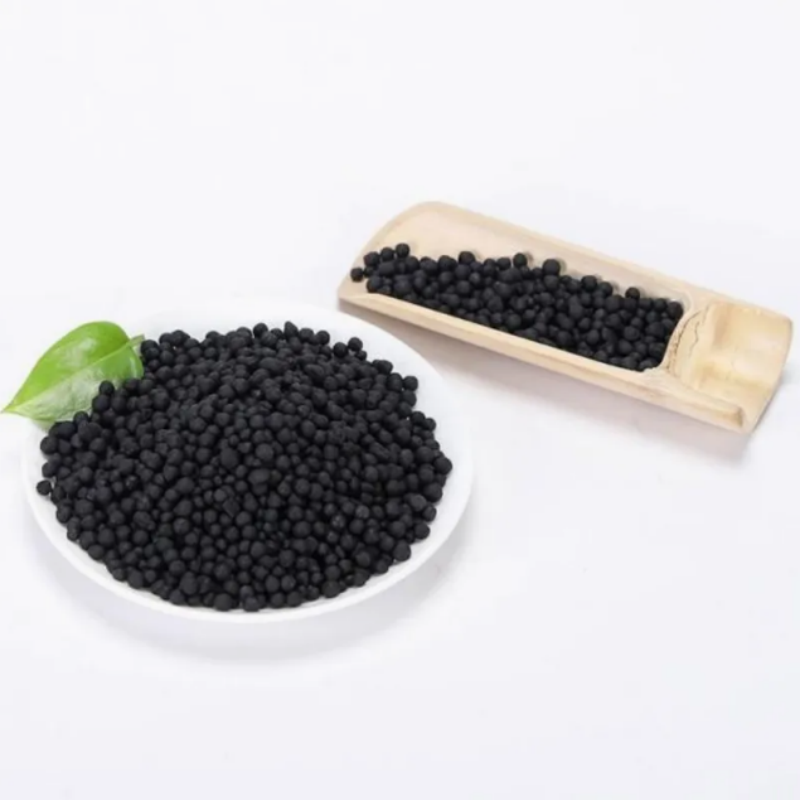
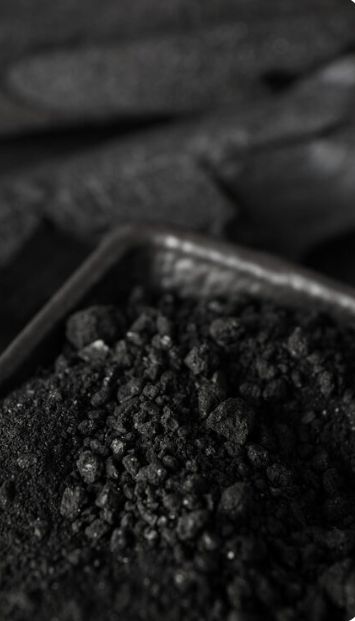
In contrast, Sodium Humate acts as a powerhouse Aquaculture Water Conditioner. Its highly active functional groups—including carboxyl and phenolic hydroxyl groups—not only complex heavy metals effectively but also ion-exchange with harmful ammonia nitrogen and hydrogen sulfide. Beyond mere chemical binding, its macromolecular organic structure physically adsorbs suspended solids, precipitates organic debris, and clarifies turbid water, addressing multiple water degradation vectors simultaneously.
2. Algal Bloom Control and Photosynthetic Regulation
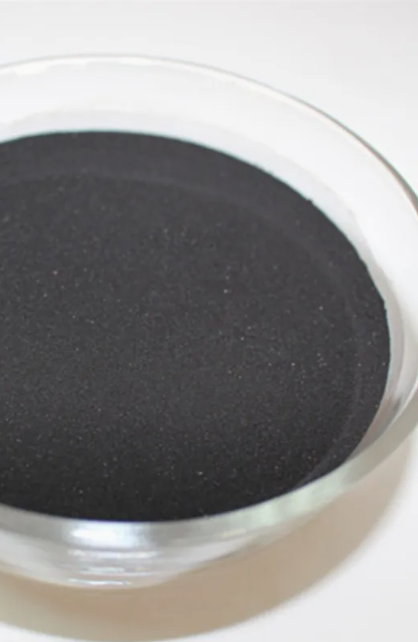
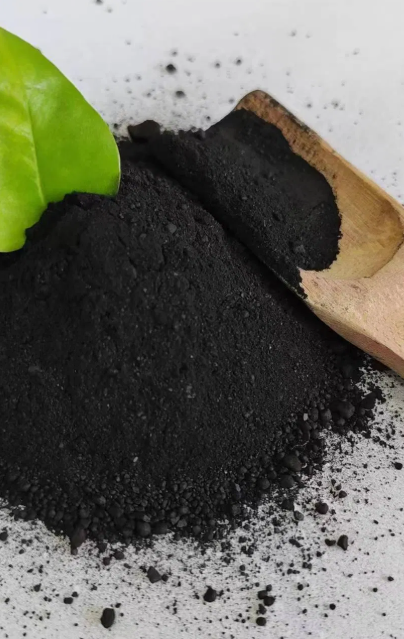
One of the most critical challenges in shrimp farming is managing toxic blue-green algae (cyanobacteria) blooms. EDTA plays no direct role in controlling algal dynamics. Sodium Humate powder, however, provides an elegant dual-action solution. When dissolved, its natural dark brown molecules shade the water column, physically limiting the light penetration required for cyanobacteria photosynthesis at the pond bottom. Furthermore, as it breaks down, it slowly releases highly bioavailable fulvic and humic fractions that stimulate the growth of beneficial green algae and diatoms, establishing a stable, productive ecosystem.
3. The Ideal Shrimp Farming Additive
For operations focusing on crustacean production, stress mitigation is vital. Sodium humate functions exceptionally as a Shrimp Farming Additive. The humic substances form a protective colloidal film on the gills and skin of shrimp, shielding them from chemical irritants and reducing stress during water changes or temperature fluctuations. Additionally, it stimulates intestinal digestive enzyme activity when ingested naturally from the pond floor, enhancing feed conversion ratios—a benefit that synthetic chemicals like EDTA simply cannot offer.
4. Practical Guide for Effective Pond Water Treatment
To maximize the efficacy of your Pond Water Treatment without inducing stress, application must be tailored to current water parameters:
- For Regular Maintenance and Water Clarification: Apply sodium humate powder evenly across the pond surface during a sunny morning. This maintains optimal water color and complexation capacity, preventing aging of the aquaculture environment.
- For Heavy Deterioration or Algal Crashes: A higher concentration is recommended, split into two applications over consecutive days, while ensuring continuous mechanical aeration to support organic degradation and safeguard oxygen levels.
Discover premium-grade organic humates engineered for aquaculture resilience. For bulk inquiries and technical custom mesh sizes, visit our official technical portal at