
Sodium Process vs. Calcium Process: How to Choose the Right Calcium Hypochlorite for Your Industrial Water Treatment?
For global chemical buyers and water treatment engineers, the most critical decision when purchasing Calcium Hypochlorite is often not the brand, but the production technology: Sodium Process vs. Calcium Process. Although the final products of both processes share the same chemical name, they differ significantly in available chlorine content, product stability, solubility, and long-term storage costs due to distinct reaction mechanisms and raw materials. An incorrect choice can lead to issues ranging from chemical dosing system clogs to severe degradation losses in overseas warehouses.
This article provides a deep dive into the technical principles, core parameters, and practical application scenarios to analyze the differences between Sodium Process and Calcium Process Calcium Hypochlorite, helping you make the most cost-effective purchasing decision.
1. Technical Principles: How Are They Manufactured?
Sodium Process
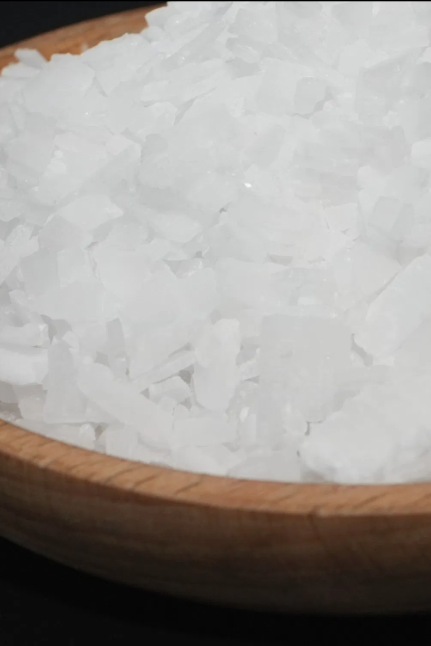
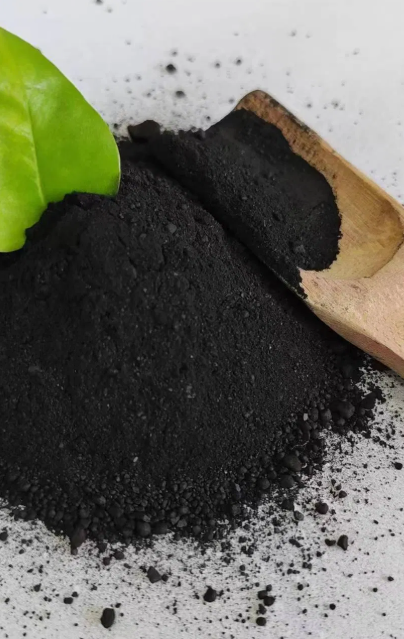
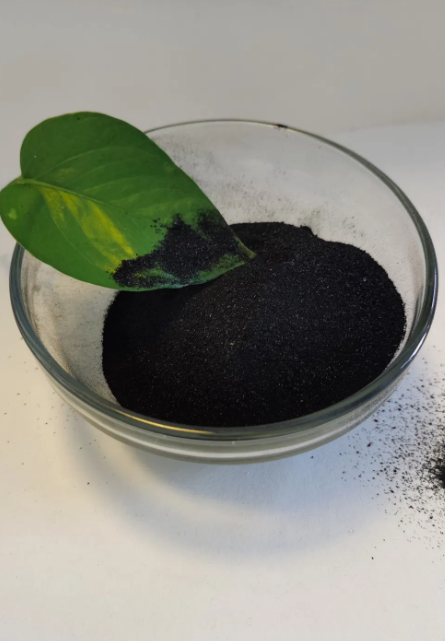
The Sodium Process typically utilizes caustic soda, hydrated lime, and chlorine gas as primary raw materials. The core mechanism involves introducing high-concentration sodium hydroxide to convert the byproduct calcium chloride into soluble sodium chloride during the reaction. Centrifugation and rapid drying technologies are then applied to separate moisture and impurities.
-
Key Advantage: This process effectively eliminates insolubles and highly hygroscopic calcium chloride, resulting in high-purity, exceptionally stable crystals.
Calcium Process
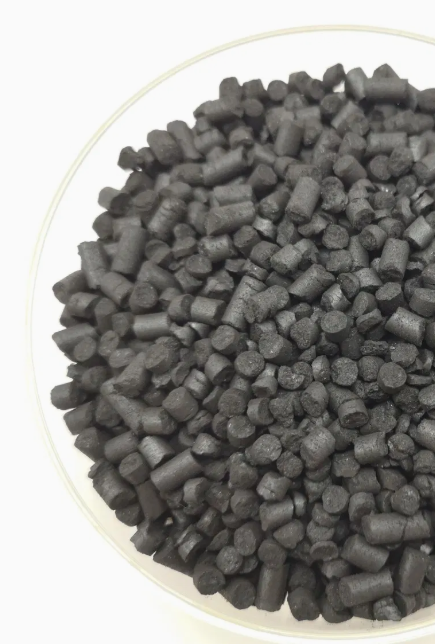
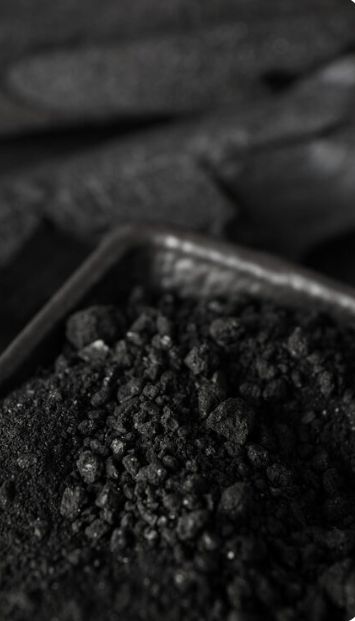
The Calcium Process (also known as the traditional lime method) directly reacts hydrated lime with chlorine gas. Following the reaction, the mixture is directly dried and granulated without going through high-specification sodium salt substitution.
-
Process Characteristics: Due to the absence of complex sodium substitution steps, production costs are lower. However, more residual calcium chloride and unreacted calcium hydroxide remain in the final product.
2.Engineering Insights: Solubility and Stability
Solubility & Equipment Maintenance
In water treatment dosing systems, insolubles are an engineer's nightmare.
-
Calcium Process products contain higher amounts of unreacted lime residues. When dissolved to prepare a disinfection stock solution, a significant amount of white insoluble precipitate forms. These precipitates easily clog the check valves, solenoid valves, and dosing pipelines of metering pumps, raising plant downtime and maintenance costs.
-
Sodium Process products restrict water insolubles to below 3%. The dissolved solution is clearer and more transparent, ensuring the smooth operation of fully automated dosing systems and significantly reducing daily equipment wear and tear.
Hidden Costs in Logistics and Warehousing
As a hazardous material (UN 2880, Class 5.1 Oxidizing Agent), Calcium Hypochlorite is highly sensitive to temperature and humidity.
-
Because the residual calcium chloride in Calcium Process products is highly hygroscopic, it rapidly absorbs moisture from the air if the packaging seal is compromised during ocean freight (especially via high-temperature equatorial routes) or long-term warehousing. This not only causes available chlorine to plummet (sometimes dropping from 65% to below 50% in a few months) but also poses safety hazards due to exothermic decomposition.
-
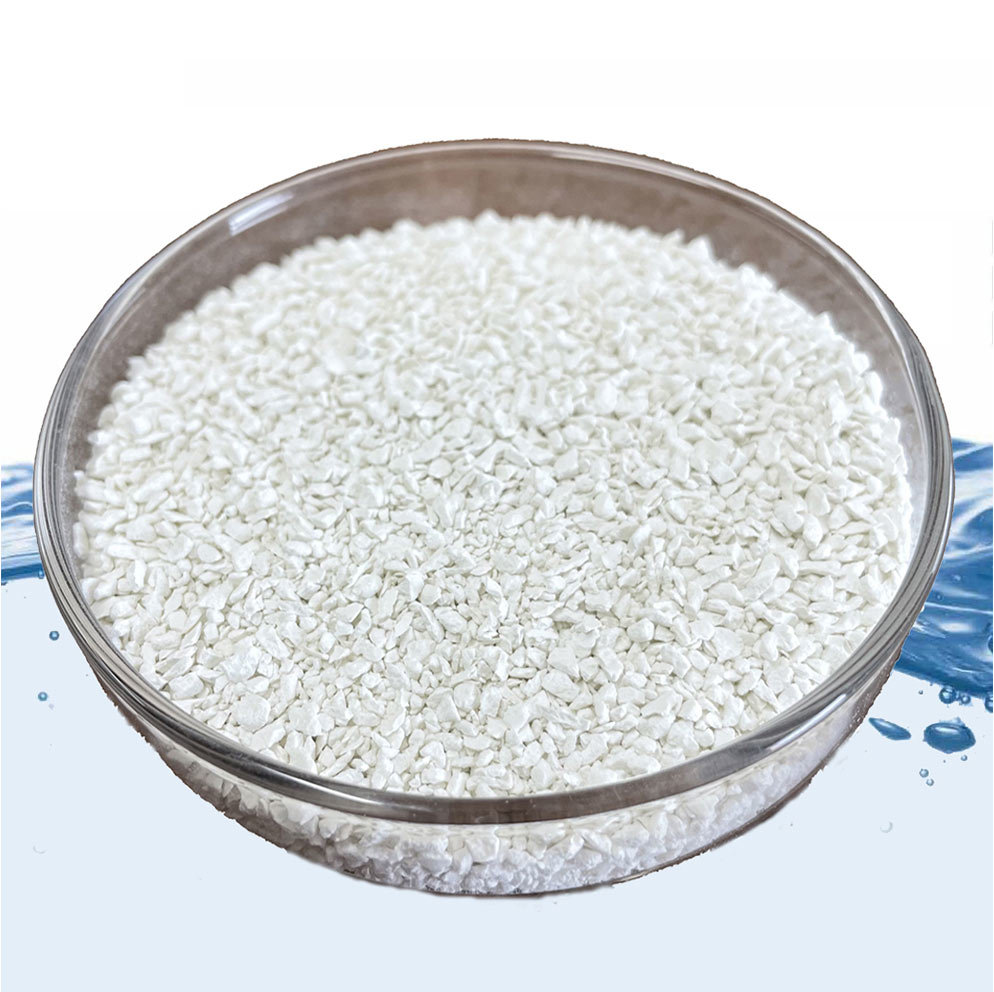
In contrast, the Sodium Process Calcium Hypochlorite 70% supplied by QD KEMDON exhibits exceptional thermal stability. Even when stored in hot, humid modern containers or destination warehouses across Africa and Southeast Asia, its available chlorine degrades at an extremely slow rate. From a long-term, comprehensive cost perspective, the value proposition of the Sodium Process far outclasses that of the Calcium Process.
3.Buying Guide: Which One Should You Purchase?
The choice of process depends entirely on your end-use application scenarios and budget structures:
Priority Scenario for Sodium Process (70%):
-
Large-scale Drinking Water Plants & Municipal Wastewater Treatment: Where water clarity metrics are strict and fully automated dosing systems are utilized.
-
Premium Commercial Swimming Pools & Water Parks: High available chlorine translates to lower dosage requirements, and low insolubles prevent the pool water from turning cloudy.
-
Long-distance International Trade & Long-term Stockists: Where the product must maintain high active ingredients over 1–2 years to minimize after-sales complaints..
Scenario for Considering Calcium Process (60%-65%):
-
Budget-constrained Local Agricultural Irrigation or Low-end Industrial Wastewater Treatment: Where suspended solids in water are not critical, and procurement is local and immediate, bypassing long-term storage.
-
Basic Construction or Large-scale Environmental Spray Disinfection: Where the precision of dosing equipment is not required.
Conclusion & Global Supply Solutions
In modern industrial water treatment, a low unit price for chemical raw materials does not equate to low total cost. Although Sodium Process Calcium Hypochlorite is slightly more expensive initially, the zero-clogging maintenance, prolonged shelf life, and superior disinfection efficiency it delivers save factories and traders substantial hidden fees.
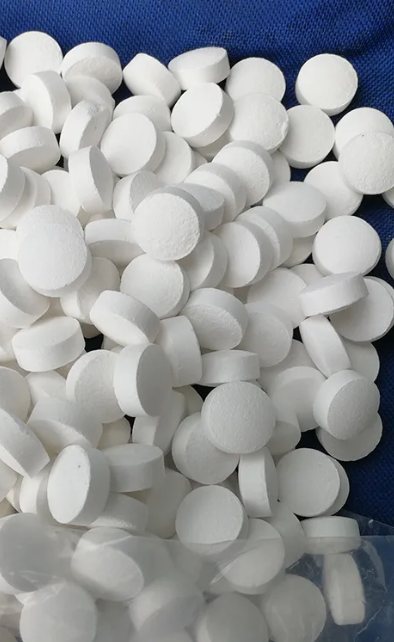
As China's leading specialized disinfectant manufacturer, QD KEMDON (Kemdon Chemical) is dedicated to providing global clients with premium, stable, and highly efficient Calcium Hypochlorite 70% (Granular & Tablet) via advanced Sodium Process lines. Our products strictly comply with international quality and safety benchmarks, earning trust worldwide.
If you are looking for a reliable supply chain partner for Calcium Hypochlorite, TCCA, or SDIC with consistent performance, please visit our official website at