
Solving the Dual Pain Points of Aquaculture and Industry: In-Depth Analysis of Sodium Humate Selection, Scientific Dosage, and Global Compliance Trends
In an era where the modern bulk chemical industry interweaves with green eco-agriculture, Sodium Humate has emerged as an irreplaceable core raw material in water conditioning, soil remediation, and industrial binding due to its unique molecular structure and eco-friendly characteristics. However, faced with a wide variety of products in the market, buyers and field engineers often encounter practical application dilemmas. This article provides an in-depth analysis from three dimensions—comparative selection, scientific dosage, and international compliance—to help you reduce costs and increase efficiency through premium product application.
1. Comparative Analysis: The Essential Differences Between High-Purity Sodium Humate and Ordinary Products
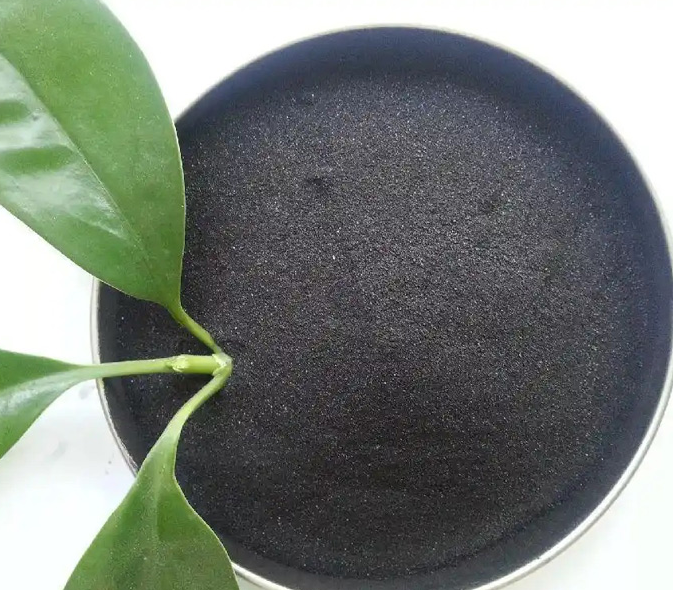
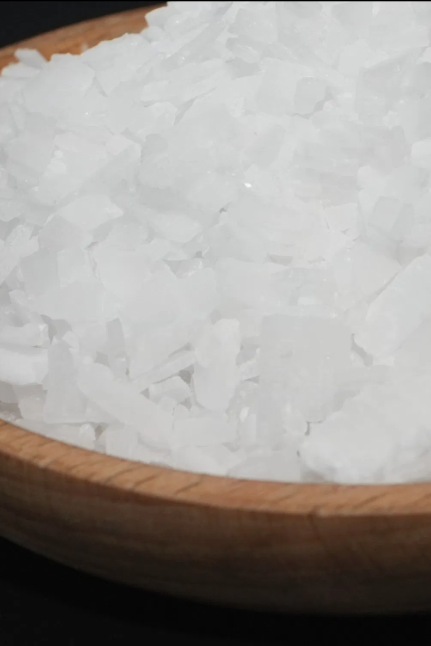
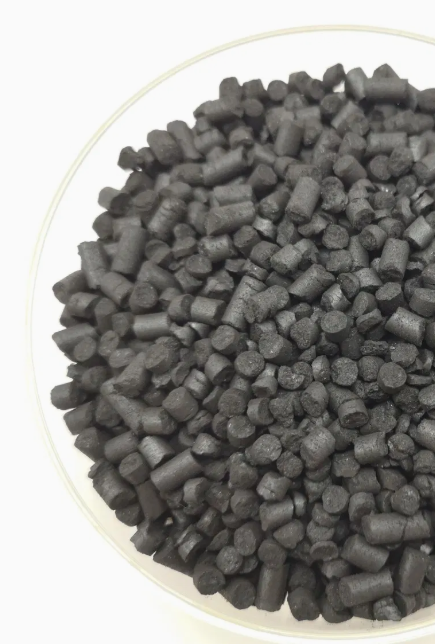
For B2B buyers, the most common pain point is: "Why do products that look identical as black powders or flakes on the surface have significant price gaps and completely different practical results?"
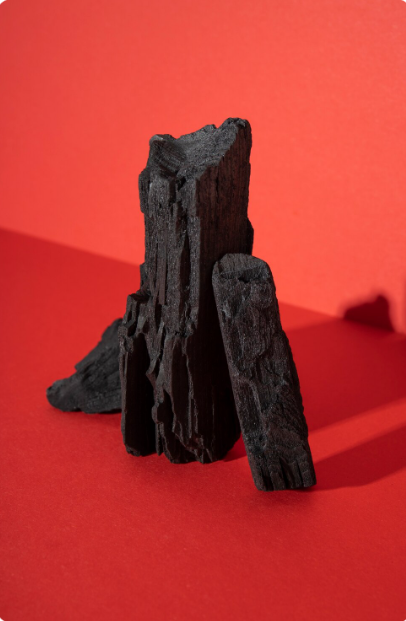
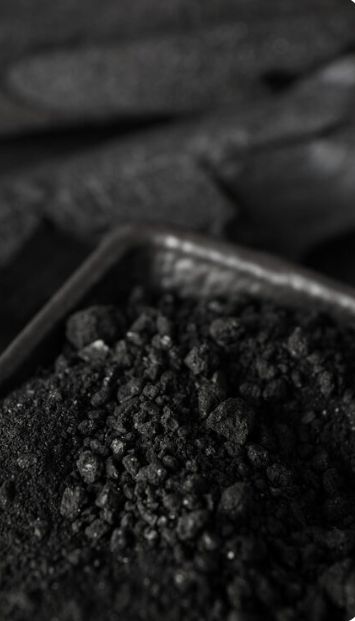
Ordinary sodium humate is mostly a crudely processed product. Its core issue lies in the unactivated weathered coal or lignite raw materials, resulting in high amounts of sediment, large insoluble matter, and unconverted free impurities. Once introduced into water bodies or industrial pipelines, such products can easily cause filtration system clogging and mechanical wear. Furthermore, the density of their active functional groups (such as carboxyl and hydroxyl groups) is low, failing to react with harmful substances in the water within a short time.
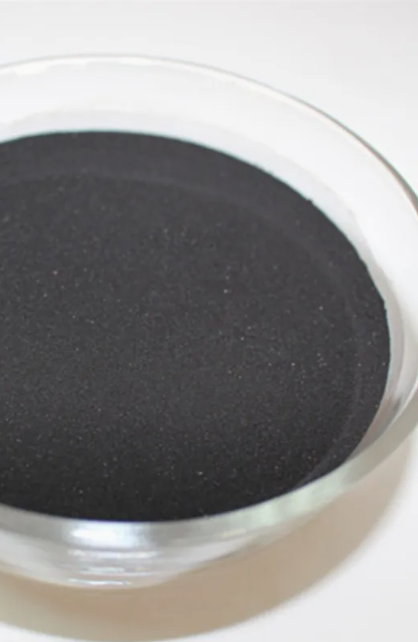
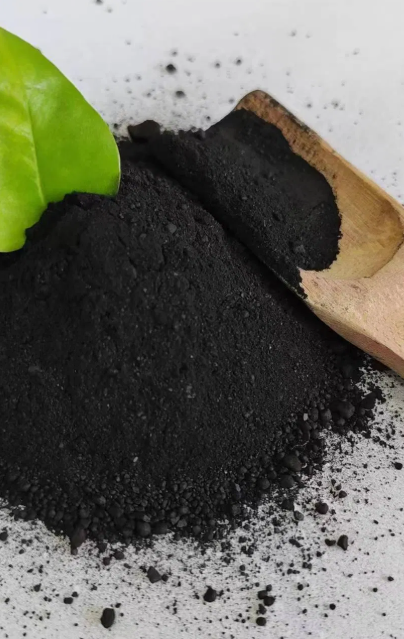
In contrast, high-purity Sodium Humate Powder undergoes strict alkali-soluble acid-precipitation or advanced centrifugal purification processes. The essential differences between the two are reflected in several irreversible indicators:
-
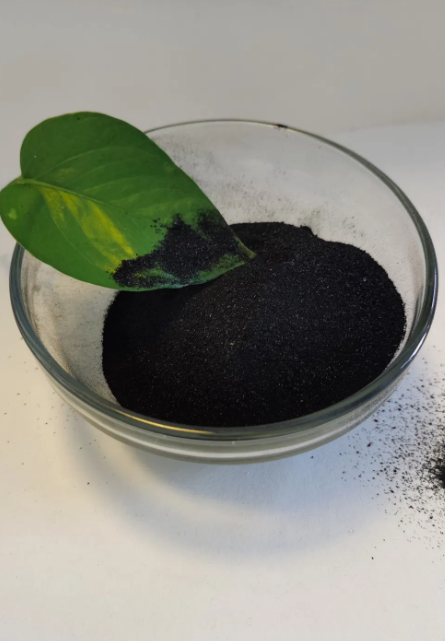
Water Solubility and Diffusion Speed: Premium products feature near-complete solubility (with water-insoluble matter typically below 1% to 3%). They dissolve instantly upon contact with water, rapidly forming a uniform protective colloid without forming dead knots or siltation at the bottom.
-
Active Functional Group Content: With deeply activated sodium humate, the active sites on the molecular chains are fully released, offering a chelating capacity for heavy metal ions (such as free copper, cadmium, and lead) that is several times higher than that of ordinary products.
-
pH Buffering and Stability: High-purity products provide a more stable alkalinity buffer, preventing drastic fluctuations in environmental pH caused by product impurities, which is vital for fragile ecosystems.
2. Usage Guide and Dosage Calculation: Scientific Conditioning Practices in Aquaculture and Bottom Remediation
In actual production, what engineers and farmers care about most is "how to use it and how much to apply." Blind dosing without quantification not only increases procurement costs but may even achieve the opposite effect due to excessively dark water color.
As a highly efficient Aquaculture Water Conditioner, the application strategy of sodium humate relies on a strict logical framework tailored to different weather, water quality, and bottom conditions. The following is a scientific guide for typical scenarios:
-
Routine Maintenance and Water Color Regulation (Shading and Algae Prevention): During the early stages of breeding or high-temperature seasons, excessive growth of benthic algae (moss) robs the water of nutrients and entangles shrimp larvae. Utilizing the physical shading effect of sodium humate's natural black/brown color can suppress the photosynthesis of bottom moss.
-
Scientific Dosage: It is recommended to apply 1.5 to 2 kg per acre of water surface (calculated at a water depth of 1 meter). It is best to dilute the product with pond water on a sunny morning and splash it evenly across the entire pond along the wind direction.
-
-
Acute Water Quality Degradation and Bottom Remediation (Algae Crash, Excessive Ammonia Nitrogen): When a pond experiences an "algae crash" (mass mortality of algae) or when organic decomposition at the bottom causes an increase in acidity and elevated nitrite levels, the bottom ecosystem falls into a hypoxic and highly toxic state. At this time, sodium humate, acting as a core particle for Pond Water Treatment, can rapidly adsorb ammonia nitrogen and complex toxins through its cation exchange capacity.
-
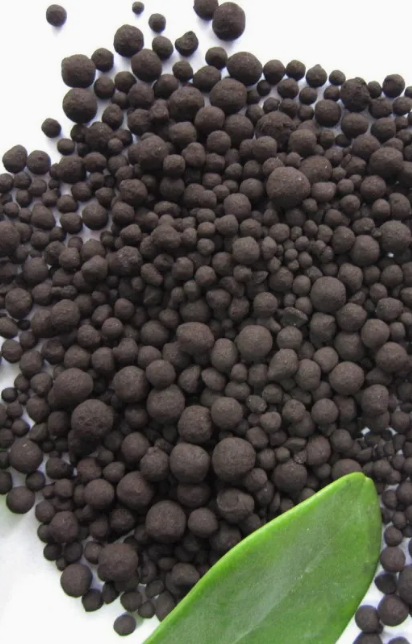
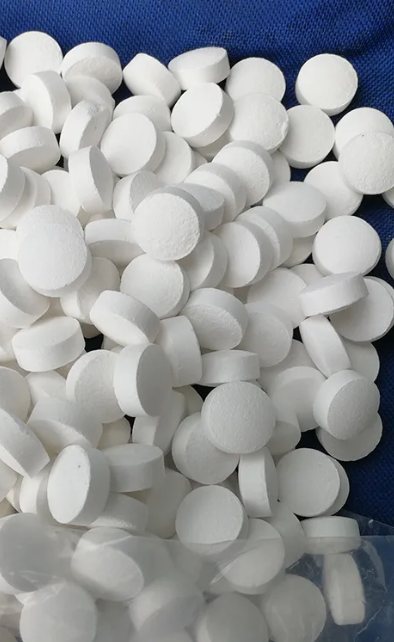
Scientific Dosage: In this scenario, an emergency dose of 3 to 5 kg per acre of water surface (1-meter water depth) should be initiated. During application, aerators should be turned on, or the product should be used in combination with oxygen-releasing bottom-conditioning granules. This ensures sufficient dissolved oxygen at the bottom to facilitate the physical sedimentation and biodegradation processes of sodium humate. If the bottom pollution is severe, a follow-up application can be repeated after 48 hours.
-
3. Market and Compliance Report: New Export Regulations and Standards Under the Global Green Supply Chain
As global requirements for green agriculture, carbon reduction, and chemical safety regulations (such as EU REACH certification and US EPA standards) become increasingly stringent, the regulatory compliance of traditional chemical products has become the lifeline for exporting companies.
In international markets, especially in high-density shrimp farming regions across Europe, America, and Southeast Asia, sodium humate is no longer viewed merely as a "cheap mineral raw material." Instead, it has been incorporated into strict regulatory frameworks as a specialized Shrimp Farming Additive and Water Quality Improver.
The current global market demonstrates the following compliance trends:
-
"Zero Tolerance" for Heavy Metal Residues: Major seafood exporting countries in Southeast Asia and Latin America strictly control input materials at the farming source. If the procured sodium humate itself exceeds heavy metal limits (such as chromium, arsenic, or mercury), it will lead to clearance failures for the final seafood products. Therefore, high-purity products with third-party testing reports (such as SGS) and traceable raw materials are comprehensively replacing low-quality alternatives.
-
Ecotoxicological Safety: Ministries of agriculture in countries like Singapore and Vietnam have set clear market access requirements for the biodegradability and aquatic toxicity of water conditioners. Natural mineral-sourced, chemically unmodified clean sodium humate fully aligns with internationally advocated low-carbon and circular economy concepts because it leaves zero residual toxicity in crops, shrimp, fish, or surrounding soils.
Qingdao Kemdon Chemical Co., Ltd. always insists on screening premium mineral sources from the origin and utilizing modern clean production processes. This ensures that every batch of sodium humate not only meets high industrial and aquaculture standards in physical performance but also perfectly integrates with the latest global environmental regulations, safeguarding your highly efficient overseas supply chain.