

Stop Choosing Blindly: Why SDIC is the Ultimate "All-Rounder" for Modern Textile and Bleaching Industries
In today’s global chemical trade and industrial applications, procurement managers and process engineers constantly face a tough dilemma: in pursuit of ultimate bleaching and disinfection performance, they often have to sacrifice fabric strength or bear extreme warehousing safety risks. Traditional sodium hypochlorite (liquid bleach) is cheap but highly unstable and corrosive, while standard chlorine generators demand notoriously harsh equipment requirements.
Addressing these practical pain points, Sodium Dichloroisocyanurate (SDIC) is rapidly becoming the preferred choice in the global light industry and water treatment sectors due to its unique chemical properties. Today, from both technical and procurement perspectives, we take a deep dive into why SDIC is your more cost-effective alternative.
1. The Core Pain Point: Why Do Traditional Bleaches Always Damage Your Fabrics?
In the textile dyeing and printing industry, finding an efficient Textile Finishing Agent is never easy. Traditional strong oxidizers, while removing impurities, easily break the molecular chains of natural fibers (such as cotton and linen), leading to a drop in tensile strength and a shortened lifespan of the finished fabric.
In contrast, SDIC, as a premium Bleaching Agent, owes its core advantage to "controlled release." It establishes a dynamic equilibrium in aqueous solutions, releasing active chlorine slowly and continuously. This mild yet sustained oxidation process not only imparts excellent whiteness to the fabric, making it a rare and reliable Fabric Whitener, but also maximizes the preservation of fiber toughness, significantly reducing defect rates.
2. The Engineer's Calculation: The Dual Balance of Stability and Safety
For plant operations engineers, chemical storage safety and the decay rate of available chlorine are two major "time bombs." Liquid sodium hypochlorite decomposes easily during storage; its available chlorine content can plummet within months, and its high corrosiveness poses a severe threat to storage tanks.
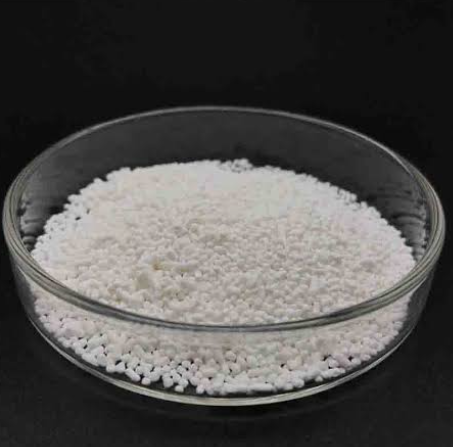
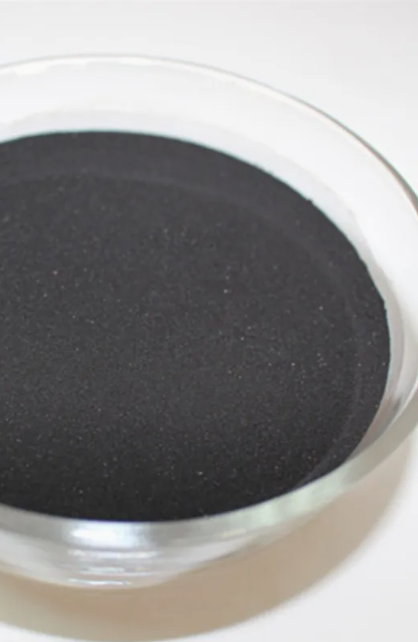
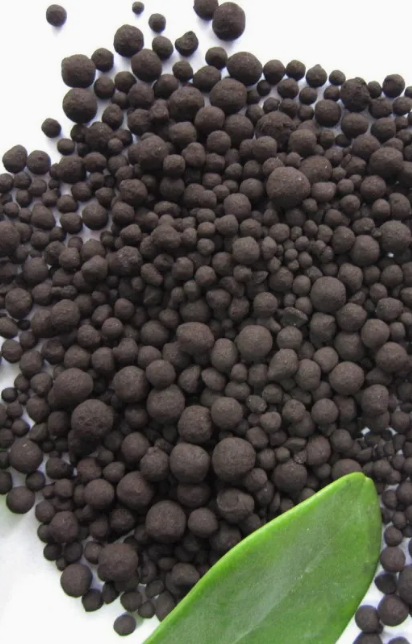
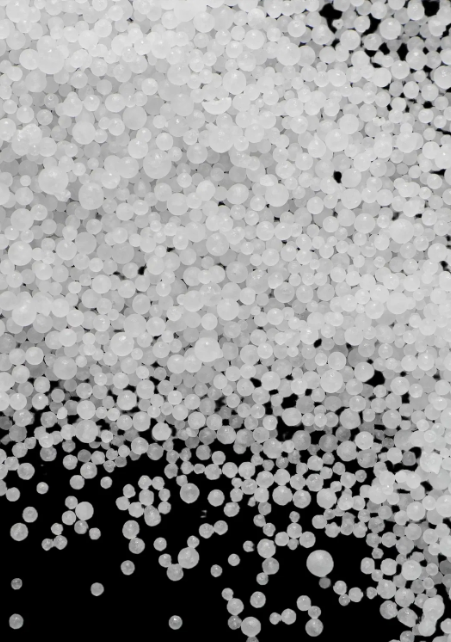
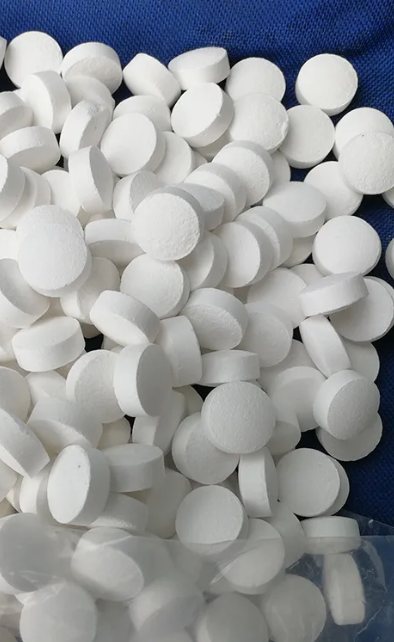
SDIC, functioning as a Stabilized Chlorine Compound, exists in solid forms such as powder, granules, or tablets. Its chemical properties are exceptionally stable. When stored in a dry, cool warehouse, it can be kept for years with virtually no loss of available chlorine. This not only saves enterprises significant amounts in warehousing and anti-corrosion equipment maintenance costs, but also ensures that process parameters remain precise and controllable during every single dosage.
3. The Buyer's Benefit: Supply Chain Simplification via Versatility
Modern B2B procurement looks beyond the unit price to focus on the "total cost of ownership." The versatility of SDIC allows purchasing managers to use one product for multiple applications, thereby greatly simplifying the supply chain:
- On the Production Side: It serves as a highly efficient bleaching and textile finishing agent.
- On the Post-Treatment Side: With its broad-spectrum and rapid sterilization capabilities, it acts as a treatment agent for recycled water.
- On the Environmental & Safety Side: It effectively degrades BOD/COD in wastewater, helping factories effortlessly meet environmental compliance standards.
Conclusion
Choosing SDIC is not just about selecting a chemical product; it is about choosing a safer, more efficient, and more sustainable production method for your facility. As a professional chemical industry partner, we consistently provide high-quality, internationally compliant SDIC products to help your business stand out in the fierce global competition.