

TCCA 90% Tablets vs. Granules: Which Form Offers the Highest ROI for Commercial Water Treatment?
For international chemical distributors and water treatment engineers, Trichloroisocyanuric Acid is undeniably the most reliable, high-concentration stabilizer on the market. However, when placing bulk orders, procurement managers often get stuck on a practical question: Should we source Tcca 90 Tablets or opt for the granular form?
While both forms deliver exceptional sanitation, their dissolution rates and application methods differ significantly. Understanding the specific Trichloroisocyanuric Acid Uses for each form is the key to maximizing your procurement ROI and avoiding chemical waste.
1. Dissolution Rate and Chemical Longevity
The structural difference directly dictates how long the Tcca Chlorine remains active in the water.
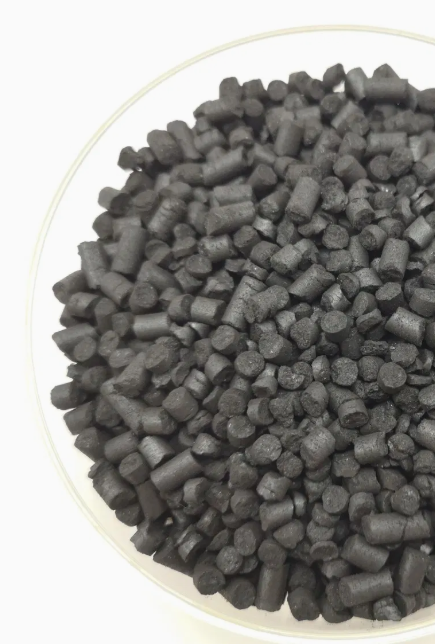
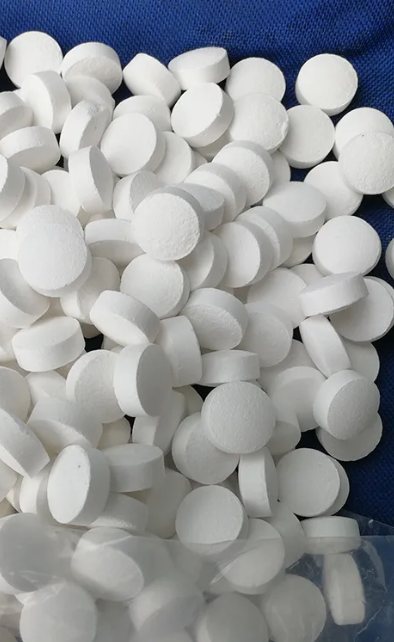
- TCCA 90% Tablets (Slow-Dissolving): These dense tablets are compressed under high pressure. They dissolve slowly and uniformly over 5 to 7 days, providing a continuous, steady release of active chlorine without requiring maintenance staff to constantly monitor the water.
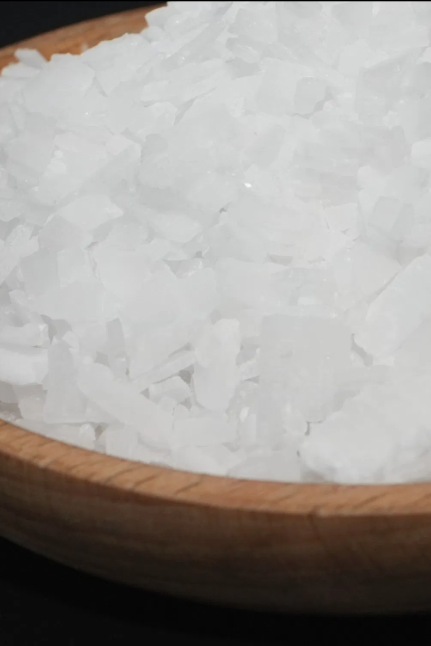
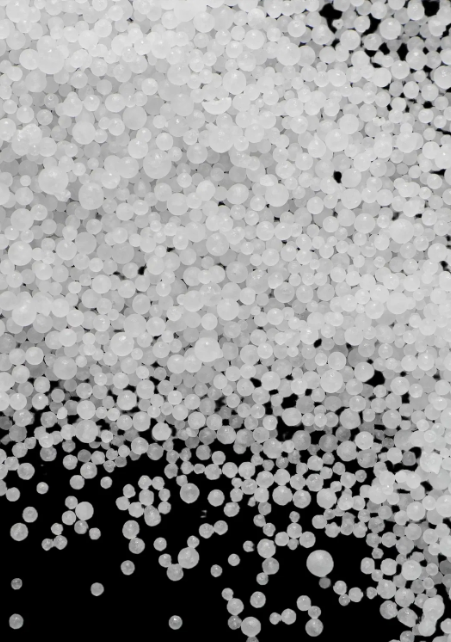
- TCCA Granules (Fast-Acting): With a much larger surface area, granules dissolve rapidly upon contact with water, releasing a massive shock dose of chlorine within hours.
2. Labor Cost and Operational Efficiency
- With Tablets: They are a "set-and-forget" solution. Operators simply place the Tcca 90 Tablets into automatic chlorinators or floating feeders. It minimizes chemical handling, lowers labor costs, and reduces the risk of chemical splashes.
- With Granules: They require manual measuring and pre-dissolving in buckets before even distribution across the water surface, increasing daily labor intensity.
3. Best Application Scenarios: Shock vs. Maintenance
- Tablets are ideal for: Routine maintenance of large commercial swimming pools, industrial cooling towers, and continuous wastewater disinfection systems where a stable chlorine residual is mandatory.
- Granules are ideal for: Emergency "shock treatment" scenarios—such as rapidly clearing a sudden green algae bloom or treating sudden bacterial contamination in industrial tanks.
Conclusion
To build a highly competitive product portfolio, top distributors usually import both forms of Trichloroisocyanuric Acid. Tablets are the absolute cash cow for steady, recurring monthly maintenance sales, while granules are the essential choice for fast-acting remediation.
As a leading direct manufacturer, Kemdon provides premium water treatment chemicals fully certified for global hazardous shipping. Contact our sales team today for the latest FOB/CIF quotes!