TCCA vs. Calcium Hypochlorite: How to Choose the Right Disinfectant for Industrial & Commercial Water Treatment?
In B2B chemical procurement, selecting the right water disinfectant is not just about balancing the budget; it directly impacts biocidal efficiency and regulatory compliance. Trichloroisocyanuric Acid (TCCA) and Calcium Hypochlorite are the two most prominent solid chlorine disinfectants on the global market today. While both excel at releasing active chlorine, their underlying chemical properties dictate very different performances in practical applications.
To help procurement managers and engineers optimize their water systems, we break down the critical operational differences between these two workhorse chemicals across three essential dimensions.
1. Available Chlorine Content and UV Stability
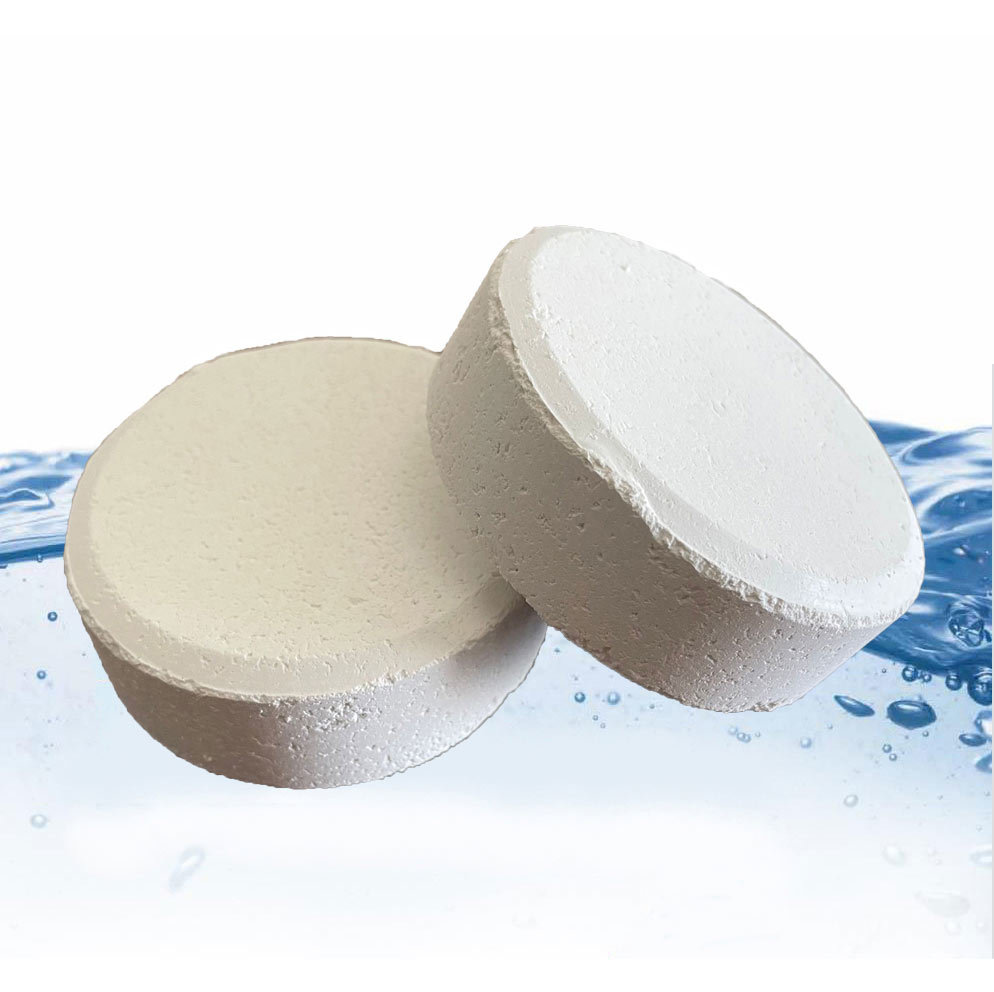
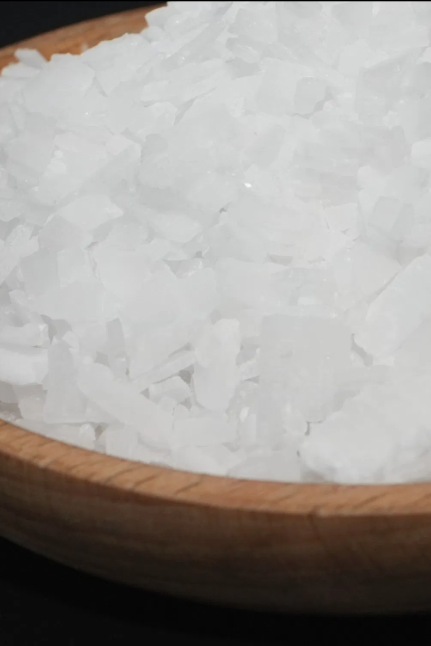
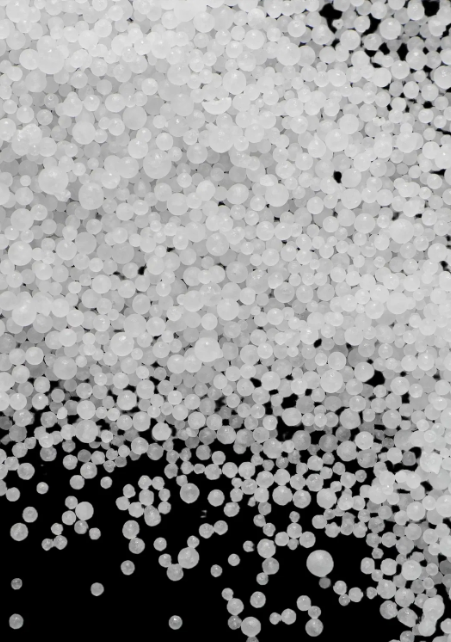
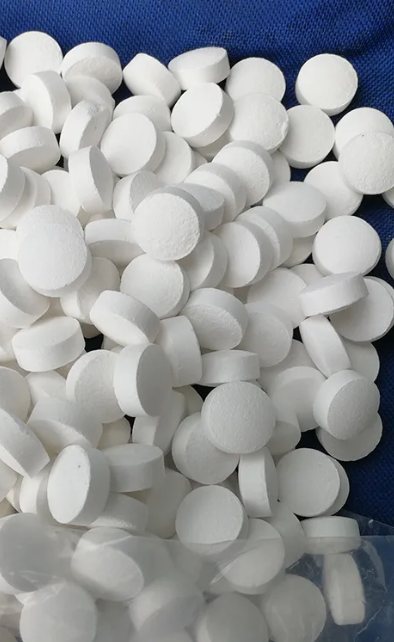
From a concentration standpoint, TCCA (Trichloro) typically features an exceptionally high available chlorine content of up to 90%, whereas high-quality Calcium Hypochlorite (Cal Hypo) usually offers 65% to 70%. This variance means TCCA delivers more chlorine yield per metric ton purchased.
However, the definitive differentiator lies in their UV resistance. TCCA is an organic chlorine compound with cyanuric acid built directly into its molecular structure, acting as a built-in stabilizer. This prevents rapid degradation caused by sunlight, ensuring a prolonged and continuous sanitizing effect. In contrast, Calcium Hypochlorite is an inorganic chlorine that lacks stabilizers and degrades quickly under direct solar radiation. Consequently, for outdoor water treatment, reservoir storage, or industrial recirculating cooling towers, TCCA’s UV resistance significantly reduces dosing frequency. Meanwhile, Calcium Hypochlorite remains ideal for indoor facilities or scenarios requiring rapid shock treatment.
2. pH Equilibrium and Water Chemistry Impact
Over long-term operations, the chemical residues left behind by these disinfectants affect water balance in completely opposite ways. TCCA dissolves to form a weakly acidic solution (pH approximately 2.7 - 3.3). Prolonged and heavy dosing will gradually lower the water's pH, meaning plant engineers must periodically dose alkaline agents, such as soda ash, to maintain baseline water balance.
Conversely, Calcium Hypochlorite creates a strongly alkaline solution (pH approximately 11.5), which raises the treated water's pH. However, it also introduces substantial calcium ions into the system, increasing total water hardness. If the source water is already hard, continuous Cal Hypo treatment can trigger calcium scaling in piping and heat exchangers, leading to increased maintenance overhead. Therefore, facilities sensitive to acidic corrosion often favor Calcium Hypochlorite, while scaling-prone systems heavily lean toward TCCA.
3. Procurement, Warehousing, and Supply Chain Compliance
For global buyers, compliance and hazardous materials logistics are paramount to controlling supply chain risks. While both compounds are classified under Class 5.1 Oxidizers in maritime transport, their physical properties demand different warehousing and shipping protocols.
TCCA (UN 2468) is relatively stable; it stores exceptionally well with an extended shelf-life when kept in standard dry, ventilated warehouses. Calcium Hypochlorite (UN 1748 / UN 2880), on the other hand, is significantly more sensitive to moisture and ambient heat. It can undergo rapid exothermic decomposition, releasing oxygen and intensifying nearby fires. Because of this, international maritime dangerous goods (IMDG) regulations impose strict strictures on container temperature control, vessel stowage positions, and ventilation for Cal Hypo. Partnering with a supplier experienced in DG logistics is vital to preventing customs delays and port penalties.
Conclusion
In summary, if you prioritize maximum available chlorine, long-lasting residual protection, and outdoor stability, TCCA stands out as the most cost-effective and low-maintenance choice. If your system cannot tolerate acidic fluctuations or demands swift chlorination without stabilizing build-up, Calcium Hypochlorite is the superior fit.
At Qingdao Kemdon Chemical, we provide tailored dosing consultation based on your specific water quality reports alongside premium-grade chemical exports that meet strict international safety regulations. Contact our engineering team today for samples and technical data sheets.