
The Critical Role of Activated Carbon in Modern Water Treatment and Air Purification
With the continuous improvement of environmental standards, activated carbon is being increasingly applied in water treatment and air purification. As a highly efficient adsorbent material, it plays a vital role in both industrial and municipal projects due to its excellent pore structure and adsorption capacity.
What is Activated Carbon?
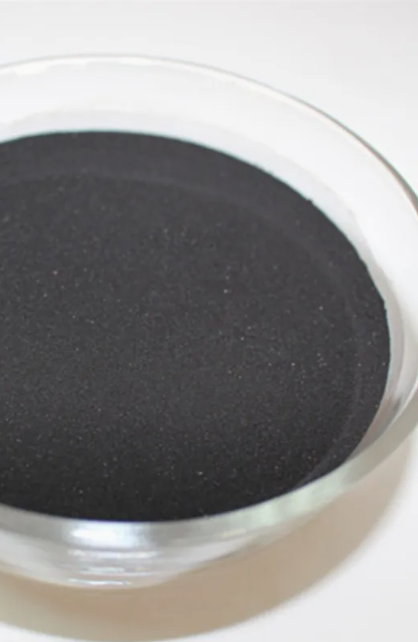
Activated carbon is a porous carbon material that has undergone special activation treatment and possesses a highly developed pore structure and a vast specific surface area.
Common Raw Materials:
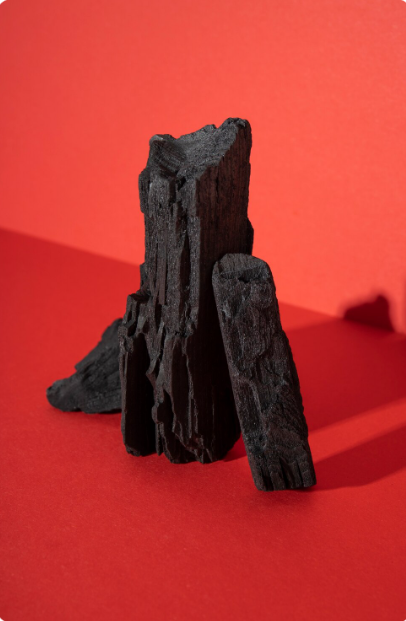
- Plant-based: Wood, coconut shells, fruit shells (e.g., walnut shells), bamboo, etc.
- Mineral-based: Coal (anthracite, lignite), petroleum coke, etc.
- Others: Synthetic polymeric materials, animal bones, etc.
Primary Methods:
- Physical Activation: The raw material is first carbonized at high temperatures, then activated using oxidizing gases—such as steam or carbon dioxide—at elevated temperatures to burn off a portion of the carbon and create pores.
- Chemical Activation: Prior to carbonization, the raw material is mixed with chemical reagents (such as phosphoric acid or zinc chloride) and subsequently heated in an inert atmosphere to undergo activation.
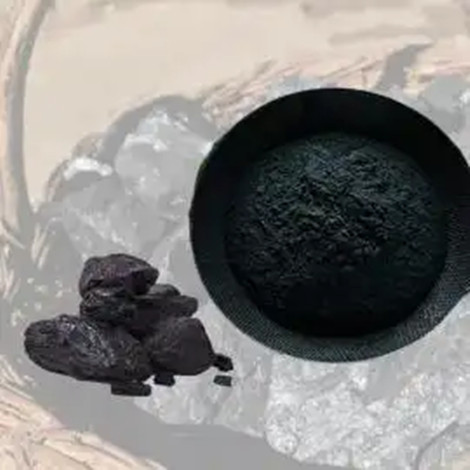
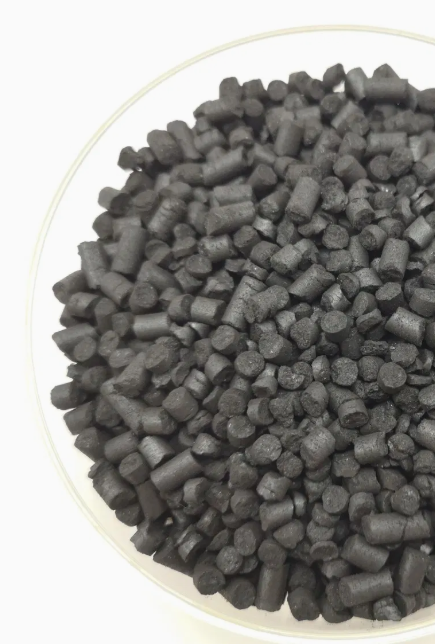
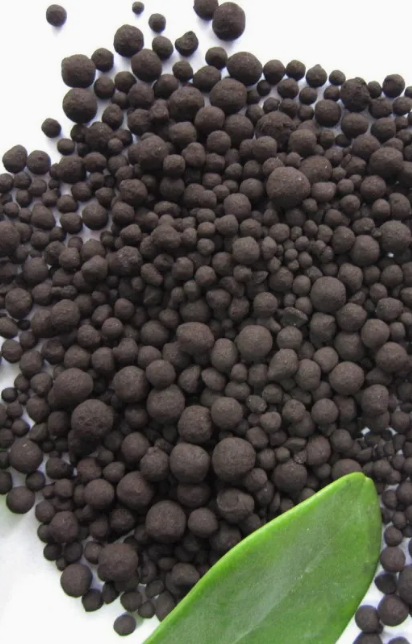
In the water treatment industry, Granular Activated Carbon is widely used in drinking water purification and industrial wastewater systems because of its uniform particle size, high strength, and good regeneration performance. Meanwhile, activated carbon with a High Iodine Value demonstrates superior adsorption capacity, effectively removing organic contaminants and odors from water, thus improving water quality standards.
In addition, Coconut Shell Activated Carbon, known for its natural origin and well-developed pore structure, is especially suitable for advanced purification applications and high-end water treatment scenarios.
For air treatment applications, Air Purification Carbon plays an important role in removing volatile organic compounds (VOCs) and harmful gases, making it widely used in industrial exhaust treatment and indoor air purification systems.
As global awareness of environmental protection and sustainable development continues to grow, innovation in activated carbon products is also accelerating. In the future, activated carbon will play an even more significant role across various industries, supporting greener and more sustainable solutions.