

The Definite B2B Guide to Sodium Hypochlorite: Minimizing Degradation, Optimizing Logistics, and Solving Chemical Engineering Pain Points
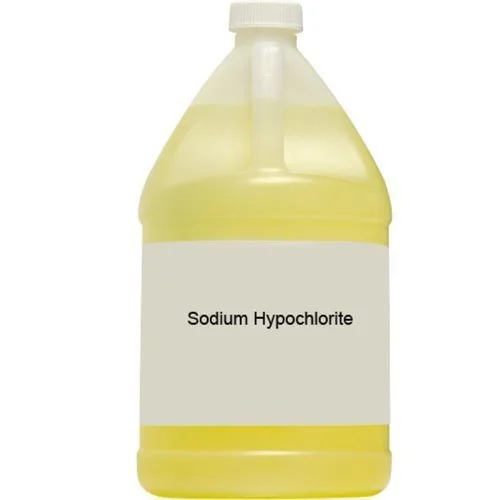
For industrial procurement managers, chemical distributors, and water treatment engineers worldwide, sourcing reliable disinfection chemicals is a balancing act between raw cost and operational efficacy. Among the various water treatment options available on the market, Sodium Hypochlorite Naclo remains one of the most widely used and cost-effective liquid biocide options. However, this powerful chemical presents a unique and frustrating operational challenge that costs companies thousands of dollars annually if mismanaged: its inherent chemical instability.
Unlike solid alternatives such as calcium hypochlorite, liquid sodium hypochlorite begins to lose its available chlorine strength the moment it leaves the production line. For overseas buyers and technical teams, understanding the complex Sodium Hypochlorite Nature is not just an academic exercise—it is an absolute necessity for quality control, cost management, and regulatory compliance.
The Chemistry of Decay: Why Your Chlorine Disappears
To manage this product effectively, engineers must understand the specific decomposition pathways of liquid chlorine solutions. The primary reason for strength loss is thermal and photochemical decomposition. When exposed to elevated temperatures or ambient UV light, the hypochlorite ion actively breaks down into sodium chloride (salt) and oxygen gas. A secondary, more insidious pathway leads to the formation of sodium chlorate, which not only reduces the disinfection capacity but can also pose regulatory hurdles in drinking water applications.
What makes procurement particularly tricky is that the degradation rate is non-linear and accelerates rapidly under three specific conditions:
- Initial Concentration: Higher concentration solutions degrade significantly faster than diluted ones. For example, a 15% trade percent solution decomposes at more than double the rate of a 10% solution under identical environmental conditions.
- Temperature Spikes: As a general rule of thumb in chemical engineering, for every 10°C increase in storage temperature, the rate of decomposition increases by a factor of roughly 3.5. During summer shipping or transit through tropical ports, a batch can lose up to 20% of its active strength in just a few weeks.
- Heavy Metal Impurities: Trace amounts of metals such as iron, copper, or nickel act as powerful catalysts for decomposition, triggering rapid oxygen release and rendering the solution ineffective.
Balances in Bulk Purchasing vs. Storage Realities
This rapid degradation creates a direct conflict between the purchasing department and the engineering team. Procurement managers naturally want to order in bulk to secure volume discounts and minimize international ocean freight costs per ton. Conversely, the plant engineers demand the freshest possible batch because they know that using a degraded solution means they must constantly recalibrate their automated dosing pumps to maintain safe sanitization levels.
If the dosing pumps are not properly adjusted to compensate for a dropping concentration, it can lead to under-dosing. In municipal wastewater treatment, this could result in severe regulatory fines due to high bacterial counts. In industrial cooling towers, it leads to rapid biofilm formation, reduced heat exchanger efficiency, and the catastrophic risk of Legionella outbreaks.
To mitigate these operational bottlenecks, global buyers are refining their technical specifications based on the end-use application. For standard large-scale industrial sanitation, municipal wastewater treatment, and pool maintenance, a heavy-duty Sodium Hypochlorite Chlorine solution with added stabilizers is standard. However, for specialized industrial applications, advanced manufacturing, and laboratory environments, engineers must look closer at the certificate of analysis (COA). In these high-precision scenarios, utilizing a high-purity Sodium Hypochlorite Reagent grade is non-negotiable. These premium grades are strictly filtered to remove the trace heavy metals that catalyze product breakdown, thereby extending the shelf life and ensuring predictable reaction rates in sensitive chemical syntheses.
Optimizing the Supply Chain with Kemdon
Mitigating the risks of liquid chemical degradation ultimately comes down to choosing a logistics and manufacturing partner who understands these chemical principles. At Kemdon (