The Rising Strategic Value of Sodium Humate in Global Ecological Agriculture and Aquaculture
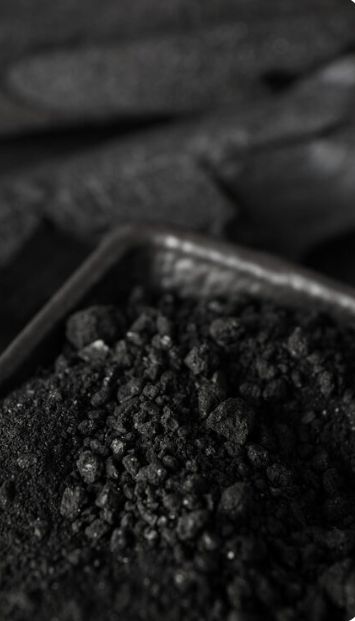
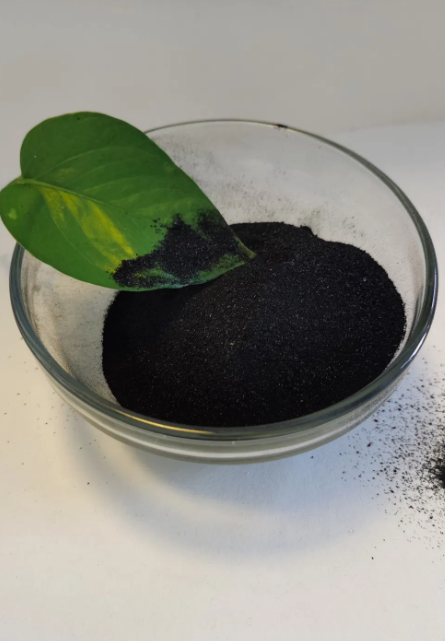
In the current era of global environmental transformation, the demand for sustainable and non-toxic chemical solutions has reached an all-time high. Sodium Humate a natural polymer organic compound extracted from ancient leonardite, has stepped into the spotlight. Once considered a traditional industrial raw material, it is now being redefined as a high-performance "bio-catalyst" for the 21st century.
The Shield of Modern Aquaculture
As global seafood consumption rises, intensive farming practices face the constant threat of water degradation. This is where Sodium Humate acts as a premium Aquaculture Water Conditioner. Unlike synthetic chemicals that may leave harmful residues, this organic salt utilizes its rich functional groups—such as carboxyl and hydroxyl groups—to complex heavy metal ions like copper and cadmium. By neutralizing these toxins, it significantly mitigates the physiological stress on aquatic species.
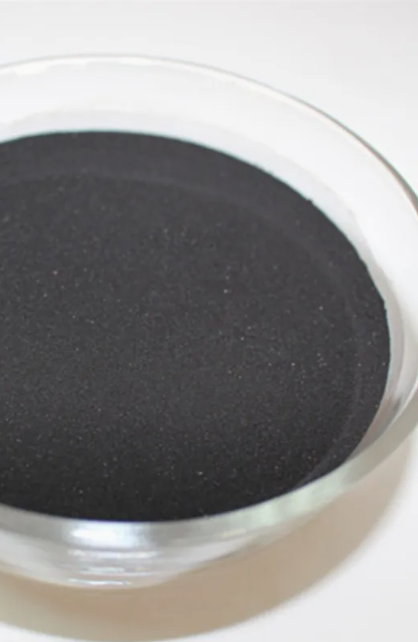
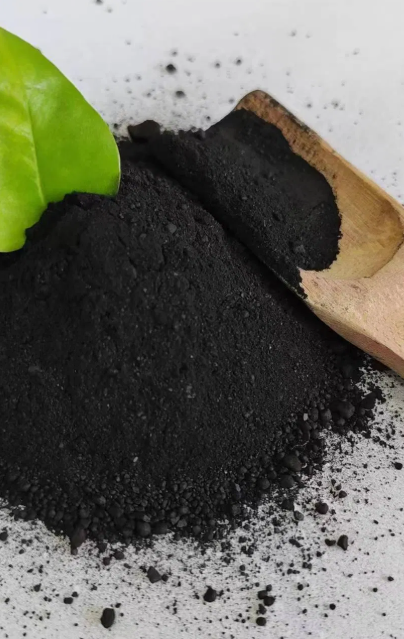
For specialized sectors, it has become an indispensable Shrimp Farming Additive. Shrimp larvae are highly vulnerable to fluctuations in water transparency and pathogenic bacteria. The application of high-purity humate powder creates a biological "sunscreen" by tinting the water, which effectively inhibits the proliferation of harmful cyanobacteria and dinoflagellates. This natural shading effect, combined with its ability to promote beneficial probiotic growth, ensures a robust immune response in shrimp populations.
A Dual-Action Water Quality Improver
Beyond simple filtration, Sodium Humate functions as a comprehensive Water Quality Improver. It serves as a physical buffer, stabilizing the pH levels during peak photosynthetic hours. Furthermore, its colloidal properties allow it to bind with suspended organic matter, causing impurities to precipitate and clarifying the pond bottom. This "bottom-up" cleaning mechanism is essential for preventing the buildup of hydrogen sulfide and methane, which are common silent killers in aquaculture.
Restoring the Earth's Vitality
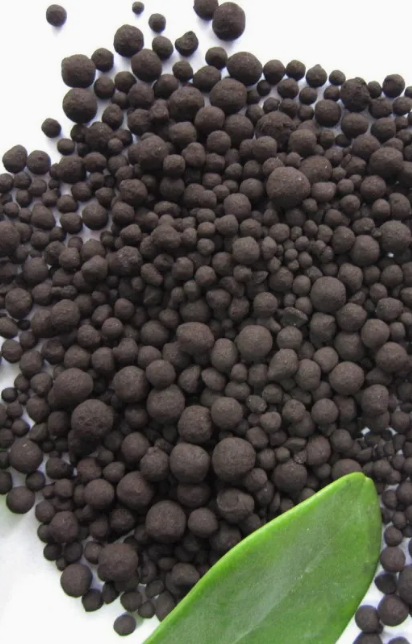
The versatility of this compound extends far beyond the water's edge. As a potent Soil Amendment it addresses the global crisis of soil compaction and acidification. By enhancing the cation exchange capacity (CEC), it locks nutrients in the rhizosphere, preventing fertilizer leaching and ensuring that plants receive a steady supply of minerals. It acts as a bridge between the soil and the root system, fostering a microbial environment that is conducive to high-yield, organic carbon farming.