
Transcending Conventional Filtration Barriers: Advanced Applications of High-Surface-Area Activated Carbon in Deep-Underground Micro-Environmental Control and Selective Gas-Phase Toxicant Interception
As the construction of deep-underground exploration facilities, ultra-long subsea tunnels, underground high-density data centers, and specialized protective infrastructure accelerates, regulating air quality and ensuring micro-environmental safety within closed and semi-closed subterranean spaces has emerged as a paramount engineering challenge. Underground environments face natural hazards such as severe relative humidity, radon gas accumulation, and sluggish air convection. Under emergency or specialized operational scenarios, these spaces are further threatened by complex interwoven pollutants, including radon decay progeny, low-concentration Volatile Organic Sulfur Compounds (VOSCs), ultra-fine suspended particulate matter (PM0.1), and airborne chemical hazards. Conventional air purification systems frequently suffer from fatal drawbacks, including high airflow resistance, poor adsorption selectivity, and rapid moisture-induced desorption failure. To resolve these challenges, surface-engineered carbon materials are moving far beyond traditional drinking water purification and routine industrial emission control, establishing an indispensable strategic presence in the precision micro-environmental management of extreme underground spaces.
1. Topological Pore Control and Breakthrough Reverse-Adsorption Under Extreme Humidity
In subterranean environments where relative humidity chronically exceeds 85%, conventional carbon matrices are acutely vulnerable to moisture competitive adsorption. Water molecules preferentially fill micropores and form water bridges, resulting in severe capacity loss or complete loss of target gas capture. This limitation not only compromises purification efficiency but also raises serious risks of secondary pollutant release.
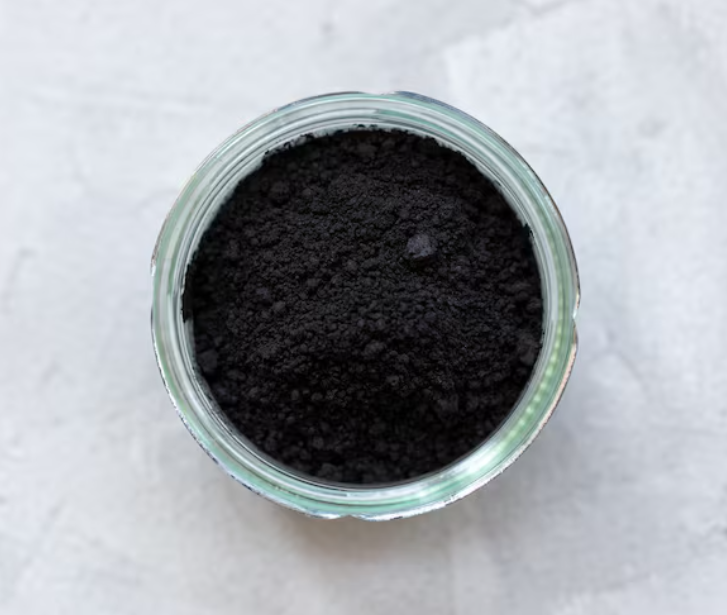
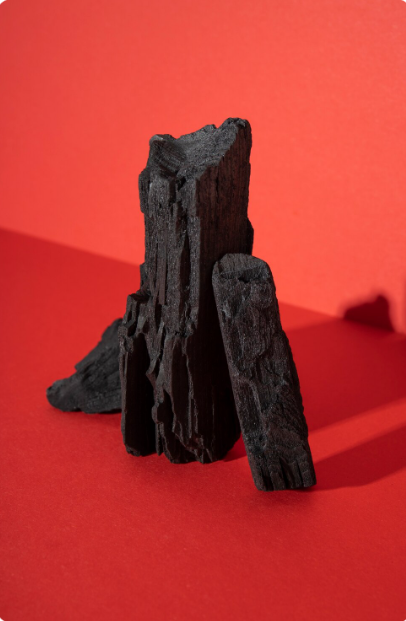
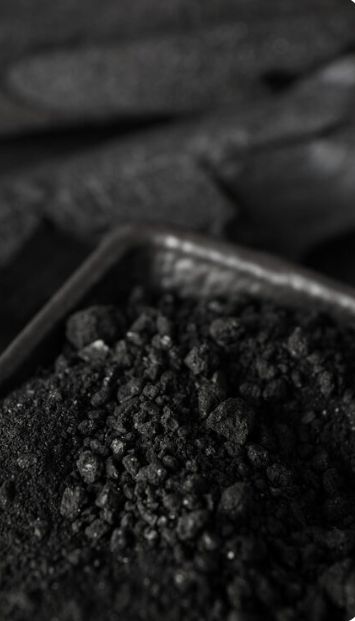
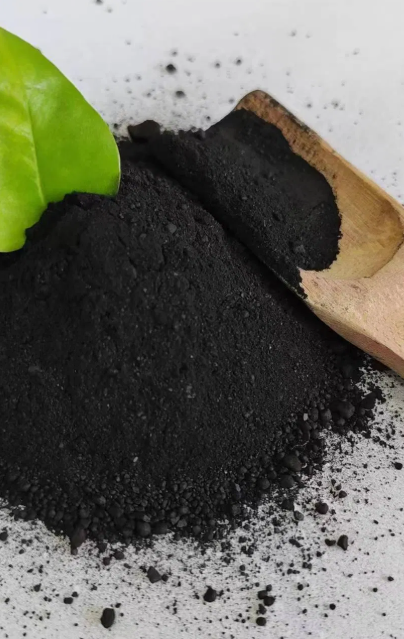
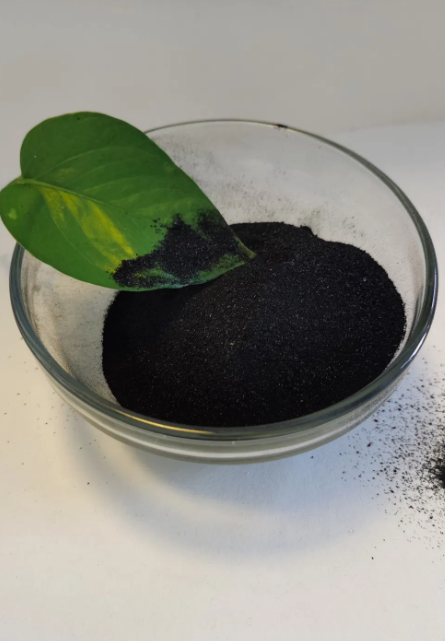
By utilizing high-density natural coconut shells as raw materials and applying ultra-high-temperature steam activation combined with gas-phase hydrophobic surface modification, engineers can precisely control the ratio of micropore to mesopore volumes. The resulting Coconut Shell Activated Carbon exhibits an exceptionally High Iodine Value alongside an intricate internal micropore architecture, all protected by a nanoscale hydrophobic functional group barrier. This hydrophobic coating effectively suppresses the condensation of water clusters, enabling the material to maintain high selectivity for low-concentration airborne pollutants (such as BTEX compounds, hydrogen sulfide, and organic vapors) even within near-saturated airflow. This ability to repel moisture while aggressively capturing airborne toxicants eliminates a long-standing barrier to using adsorption media in high-humidity subterranean spaces.
2. Covalent Anchoring of Surface Active Sites and Long-Term Radon Mitigation
Radon gas continuously exhalated from deep rock formations and concrete linings, along with its short-lived decay daughters, represents one of the most hazardous radioactive contamination sources in underground architecture. As a noble gas, radon displays extreme chemical inertness, making chemical fixation virtually impossible, while conventional physical adsorption fails to achieve permanent removal due to equilibrium limitations.
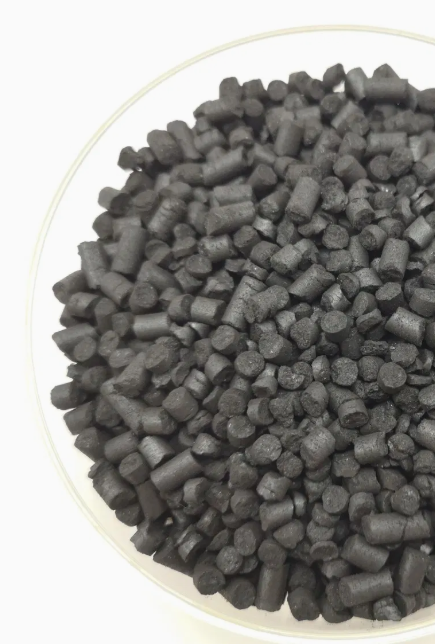
To overcome this fundamental constraint, researchers have engineered methods to covalently anchor highly dispersed transition metal oxide nanocomposites (such as manganese, copper, and cerium systems) directly onto active carbon frameworks. The resulting modified Carbon Filter Media retains the immense specific surface area of the carbon substrate while introducing active catalytic sites that exhibit strong coordination and electron-transfer interactions with radon atoms and its progeny. As contaminated air traverses the dense adsorption bed, this synergistic "adsorption-catalytic retardation-strong anchoring" mechanism dramatically prolongs the residence time of radon within the bed layer. This delay causes short-lived radon progeny to decay inside the matrix, achieving safe radioactive gas mitigation without relying on high-energy ionization equipment.
3. Zero-Corrosion Gas-Phase Protection for Underground Data Centers and Sensitive Equipment
With the rapid expansion of underground computing infrastructure and subterranean data centers, dense arrays of electronic servers and delicate control units are increasingly installed in subterranean facilities. Micro-quantities of acidic airborne contaminants (such as sulfur dioxide, chlorine, and nitrogen oxides) present in humid underground air can cause microscopic electrochemical corrosion on server PCBs and gold-finger connectors, leading to widespread system failures.
To satisfy the stringent air purity standards required for sensitive electronic infrastructure, customized Activated Carbon filter modules are deployed as precision gas-phase molecular barriers. By impregnating active alkaline functional groups and selective chelating agents uniformly throughout the porous channels, the carbon media actively intercepts trace acidic gases. As contaminated air flows through the bed, the material combines rapid physical adsorption across its internal surface area with irreversible chemical neutralization and complexation reactions within its micropores. This dual mechanism reduces outlet acidic gas concentrations to sub-ppb (parts-per-billion) levels, establishing a robust zero-corrosion protective barrier for critical subterranean electronics.
4. Green Regeneration Technologies and Whole-Lifecycle Cost Optimization
Because subterranean access points are inherently restricted and media replacement incurs high logistical costs, frequent filter changes consume substantial labor and introduce risks of secondary contamination. Consequently, structural durability, in-situ regenerability, and total lifecycle economics serve as decisive criteria for selecting filter media in deep-underground engineering projects.
Utilizing premium coconut shell substrates with high mechanical hardness provides a resilient structural skeleton that withstands repeated low-pressure steam desorption, thermal gas purging, and in-situ microwave regeneration without structural collapse or excessive dust generation. Even after dozens of adsorption-desorption cycles, the media retains a high proportion of its initial adsorption capacity. This extended service life and in-situ regenerability significantly reduce filter replacement frequency and overall maintenance expenditure over decades of facility operation, delivering a dependable economic and technical foundation for long-term micro-environmental control in subterranean infrastructure.