





Trichloroisocyanuric Acid and Its Critical Role in Modern Industrial Disinfection
Trichloroisocyanuric acid is a cornerstone chemical in modern industrial disinfection and water treatment systems. As global standards for hygiene, water safety, and microbial control continue to tighten, industries increasingly rely on stable, high-efficiency chlorinated compounds to meet regulatory and operational demands.
Among these compounds, Trichloroisocyanuric acid stands out due to its exceptionally high available chlorine content, controlled release behavior, and versatility across a wide range of industrial environments.
From municipal water treatment and industrial cooling systems to food processing and agricultural sanitation, Trichloroisocyanuric acid plays a fundamental role in maintaining operational continuity and public safety. Its chemical stability and predictable performance make it especially valuable for B2B users seeking consistency at scale.
Understanding the Chemical Nature of Trichloroisocyanuric Acid
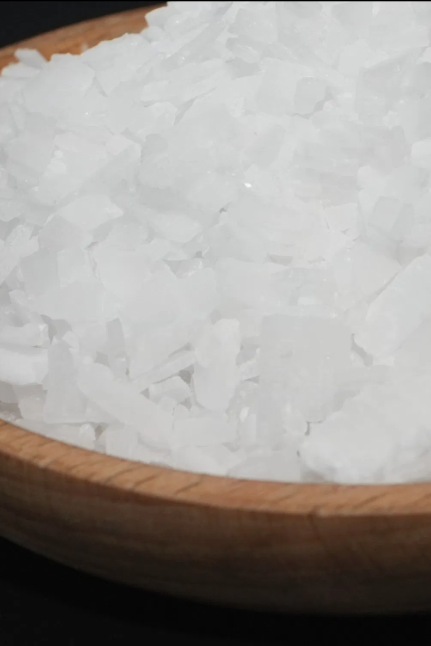
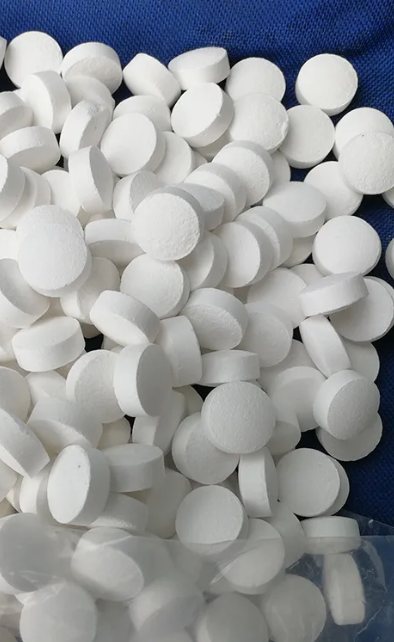
Trichloroisocyanuric acid, commonly abbreviated as TCCA, is an organic chlorine compound belonging to the isocyanurate family. It is typically manufactured in solid form and supplied as white crystalline powder, granules, or compressed tablets, depending on the intended application.
At a molecular level, Trichloroisocyanuric acid is characterized by a high proportion of chemically bound chlorine, which allows it to release active chlorine gradually when dissolved in water. This controlled release mechanism is a key reason why TCCA is favored in industrial and commercial settings that require sustained disinfection rather than short-term shock treatment.
Its chemical profile enables several critical performance characteristics.
● High available chlorine content, typically above 90 percent
● Strong oxidative capability against bacteria, viruses, algae, and fungi
● Relatively slow hydrolysis, supporting long-lasting disinfection
● Compatibility with a wide operational pH range
These attributes position Trichloroisocyanuric acid as a reliable and predictable disinfectant for continuous-use systems.
Industrial Applications Across Multiple Sectors
Trichloroisocyanuric acid is widely applied across industries where microbial control and water hygiene are mission-critical. Its adaptability allows it to be used in both automated and manual dosing systems, making it suitable for facilities of varying scale and complexity.
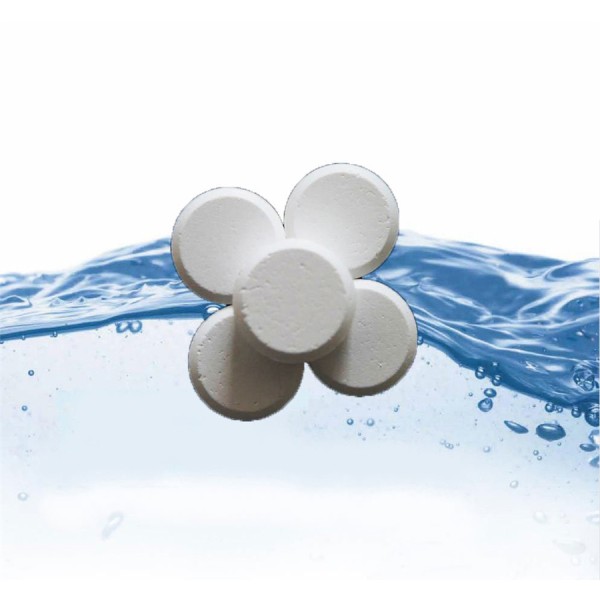
In water treatment, TCCA is extensively used for swimming pools, spas, and recreational water facilities, where consistent chlorine levels are required to maintain safe conditions. It is also applied in industrial circulating cooling water systems, where biofouling and microbial growth can significantly reduce heat exchange efficiency and increase maintenance costs.
In wastewater and effluent treatment, Trichloroisocyanuric acid is used as a terminal disinfection agent to reduce pathogenic microorganisms before discharge or reuse. Its solid form simplifies storage and transportation compared with liquid disinfectants, especially in remote or infrastructure-limited locations.
Beyond water treatment, TCCA is commonly utilized in industrial sanitation and hygiene management.
● Disinfection of food processing equipment and production environments
● Sanitation in livestock and poultry facilities to control disease spread
● Public sanitation systems and shared infrastructure environments
Additionally, Trichloroisocyanuric acid functions as a bleaching and oxidizing agent in textile processing, paper manufacturing, and certain chemical synthesis processes, further extending its industrial relevance.
Performance Advantages in B2B Operations
From a B2B perspective, the value of Trichloroisocyanuric acid lies not only in its disinfecting power but also in its operational efficiency. Compared with alternative chlorine-based products, TCCA offers measurable advantages in storage, dosing, and cost control.
One of the most significant benefits is its high active chlorine concentration, which allows lower dosage levels to achieve the same disinfecting effect. This directly reduces handling volume and logistical complexity. Its solid form also minimizes leakage risks associated with liquid chlorine or hypochlorite solutions.
Operational advantages commonly cited by industrial users include:
● Long shelf life under proper storage conditions
● Stable chlorine release, reducing frequency of application
● Lower transportation and storage costs per unit of active chlorine
● Reduced sensitivity to temperature fluctuations
These characteristics make Trichloroisocyanuric acid particularly suitable for large-scale, continuous operations where predictability and efficiency are critical.
Safety, Storage, and Handling Considerations
Despite its widespread use, Trichloroisocyanuric acid is a strong oxidizing agent and must be handled with appropriate care. Improper storage or mixing with incompatible substances can lead to decomposition, heat generation, or hazardous reactions.
Industrial users typically follow strict protocols to ensure safe handling.
● Storage in cool, dry, and well-ventilated areas
● Separation from organic materials, acids, and reducing agents
● Avoidance of moisture exposure during long-term storage
● Use of appropriate personal protective equipment during handling
By adhering to established safety guidelines, companies can mitigate risks while fully benefiting from the compound’s disinfecting performance.
Environmental and Regulatory Considerations
As environmental regulations become more stringent, the controlled-release nature of Trichloroisocyanuric acid is increasingly valued. Its efficiency allows for precise dosing, reducing the likelihood of excessive chlorine discharge into the environment.
In many jurisdictions, TCCA is approved for use in regulated water treatment and sanitation applications, provided that residual chlorine levels are properly monitored. This regulatory acceptance further reinforces its role as a trusted industrial disinfectant.
Summary
Trichloroisocyanuric acid remains one of the most important chlorinated compounds in industrial disinfection and water treatment. Its high available chlorine content, chemical stability, and versatility across multiple sectors make it a dependable solution for B2B users with demanding hygiene and operational requirements. When applied and managed correctly, TCCA supports efficient, scalable, and compliant disinfection processes across modern industrial systems.
FAQ
What is Trichloroisocyanuric acid used for in industrial applications?
Trichloroisocyanuric acid is primarily used for water disinfection, industrial sanitation, wastewater treatment, and as a bleaching or oxidizing agent in manufacturing processes.
Why is Trichloroisocyanuric acid preferred over some liquid chlorine products?
Its higher available chlorine content, longer shelf life, and solid form make it easier to store, transport, and dose consistently in large-scale operations.
Is Trichloroisocyanuric acid suitable for continuous water treatment systems?
Yes. Its slow and controlled chlorine release makes it well suited for continuous and long-term disinfection systems.
What safety measures are essential when handling Trichloroisocyanuric acid?
Proper storage, separation from incompatible materials, moisture control, and the use of appropriate protective equipment are essential to ensure safe handling.