



Unstabilized vs. Stabilized Chlorine: Why Cyanuric Acid is the Missing Link in Your Pool Treatment Budget
For global pool water treatment service providers, large-scale water park buyers, and water quality engineers, controlling operational costs while maintaining water safety standards is a non-stop tug-of-war. During the procurement process, most sourcing managers focus primarily on the unit price of chlorine donors like Calcium Hypochlorite, TCCA, or SDIC. However, less experienced field engineers often overlook a hidden "budget killer"—the rapid degradation of free chlorine caused by ultraviolet (UV) sunlight.
Today, from the perspective of chemical economics and practical engineering, we will explore the stark contrast between "unstabilized disinfection" and "stabilized disinfection," revealing why Cyanuric Acid is the ultimate solution you cannot afford to ignore.
The Breakdown Under the Sun: The Pain Points of Unstabilized Disinfection
In outdoor swimming pools or commercial water parks, relying solely on traditional unstabilized chlorine (such as liquid bleach or calcium hypochlorite) presents a massive challenge. When exposed to strong sunlight, more than 90% of the active free chlorine in the water can be destroyed by UV rays within just a few hours.
What does this mean for your operations?
- Exponentially Higher Consumption: To maintain safe sanitizing levels, field technicians must constantly dose more chlorine products into the system.
- Severe Water Quality Fluctuation: During peak sunlight hours, the water loses its protective barrier almost instantly, triggering rapid algae growth. Conversely, frequent over-dosing leads to strong chemical odors and user complaints.
This rapid-depletion model is essentially throwing your chemical budget into the air.
The Role of CYA: How It Acts as a "Sunscreen" for Chlorine
When an optimal concentration of Cyanuric Acid is introduced into the water matrix, the entire dynamic shifts completely. Acting as a highly efficient Pool Stabilizer and Chlorine Stabilizer, it forms a weak, reversible chemical bond with free chlorine ions at the molecular level.
This structure creates a shield around the vulnerable chlorine molecules, significantly blocking UV degradation. Yet, the moment bacteria or organic contaminants enter the water, the bonded chlorine is instantly released to perform its sanitizing duty.
Field data from major water parks worldwide demonstrates that after incorporating the right balance of stabilizer, the lifespan of free chlorine under direct sunlight is extended several times over, reducing overall chlorine consumption by 50% to 70%.
Procurement and Supply Chain Insight: Beyond Just a Stabilizer
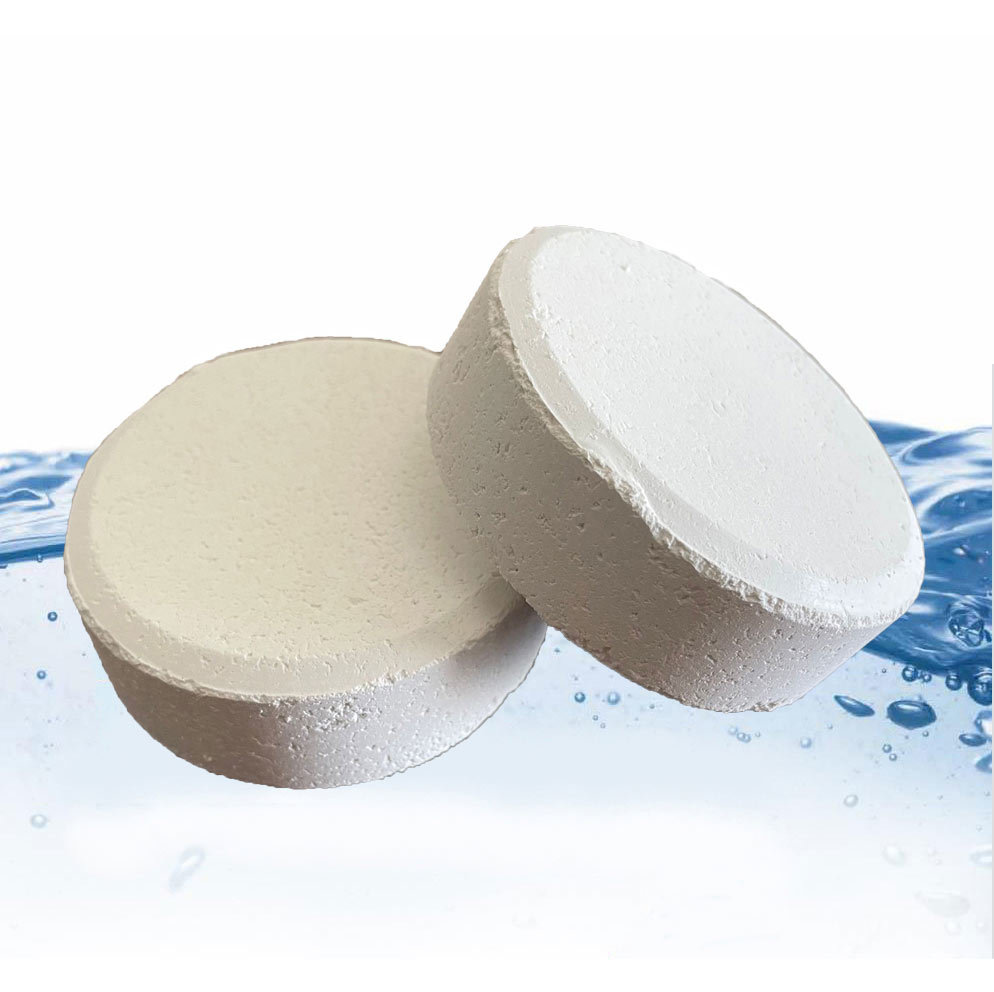
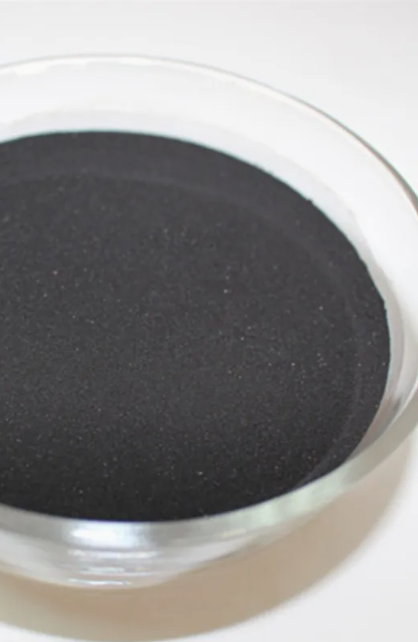
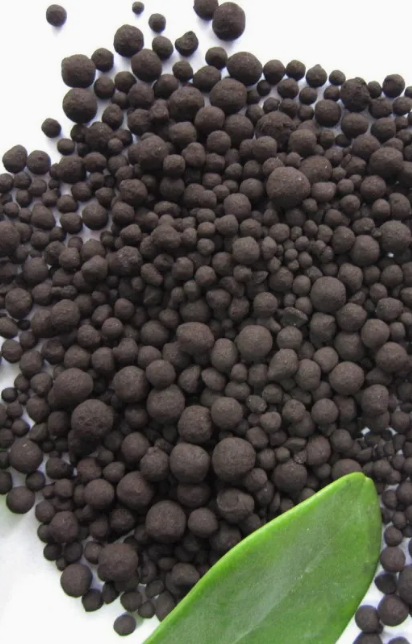
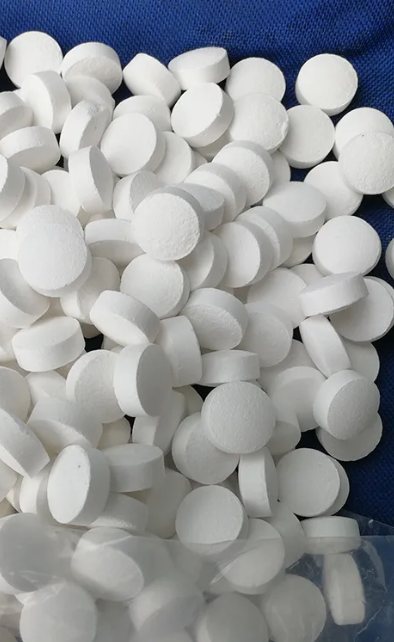
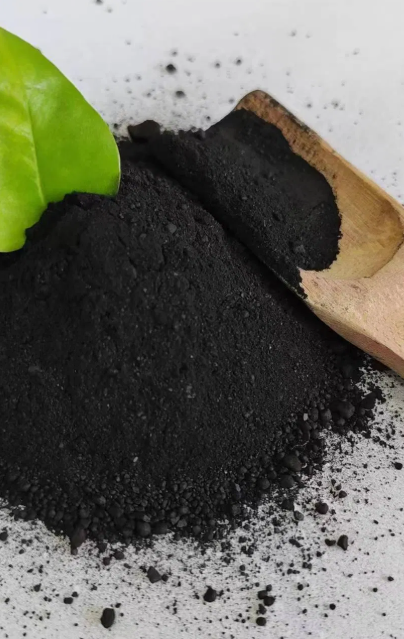
For industrial chemical buyers, the value of this compound goes far beyond end-user water maintenance. In the fine chemical supply chain, it serves as a critical TCCA Intermediate, being the foundational raw material for synthesizing advanced disinfectants like Trichloroisocyanuric Acid (TCCA) and Sodium Dichloroisocyanuric Acid (SDIC).
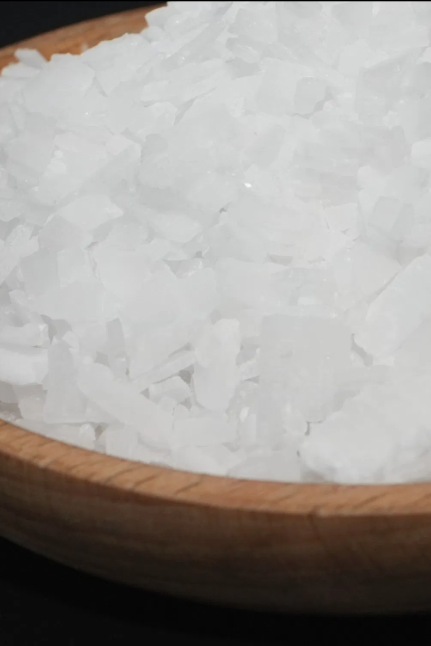
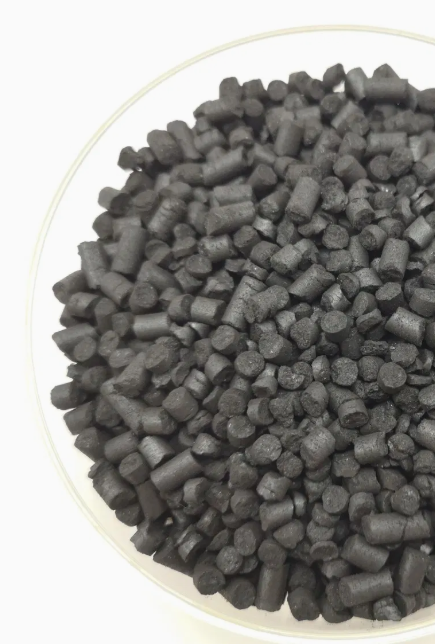
If you are managing large-scale municipal or commercial water treatment projects, blending high-purity cyanuric acid powder or granules into your regimen does more than just cut chemical costs; it also protects your piping and dosing machinery from the corrosive effects of frequent high-concentration chlorine spikes.
Conclusion
In the competitive B2B water treatment market, reducing total cost of ownership (TCO) while stabilizing water quality is key to profitability. Partnering with a reliable direct manufacturer like QDKEMDON ensures access to high-purity stabilizer products that build a solid barrier against high operational costs and inconsistent water parameters.