



Using Sodium Dichloroisocyanurate for Aquaculture and Agriculture
Maintaining a healthy environment in aquaculture and agricultural operations is essential for maximizing yield and preventing disease outbreaks. One highly effective solution is Sodium Dichloroisocyanurate (SDIC), a stable chlorine-releasing compound widely used for water disinfection, environmental sanitation, and seed treatment. By understanding the applications and benefits of SDIC, aquaculture and agricultural operators can improve productivity, reduce disease risks, and ensure sustainable operations.
What is Sodium Dichloroisocyanurate?
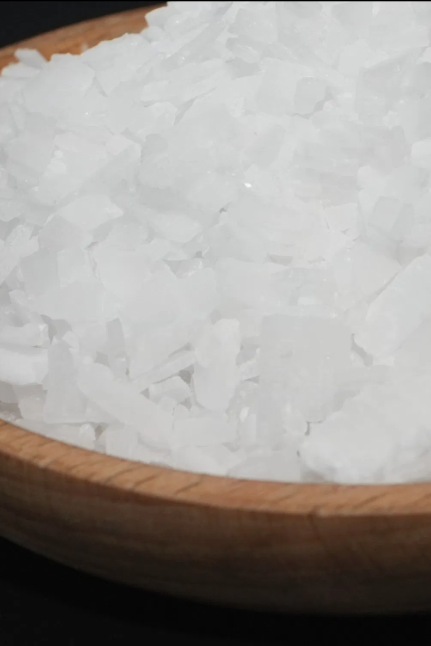
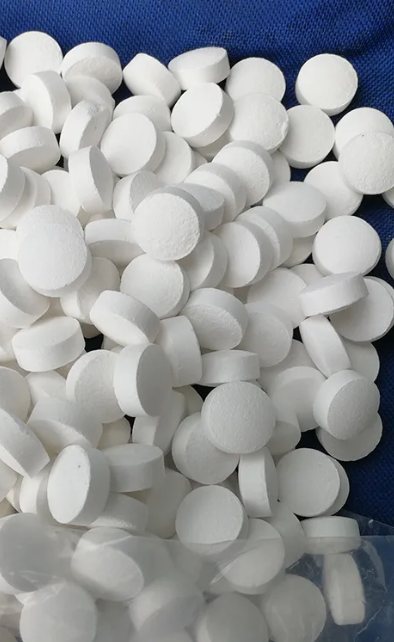
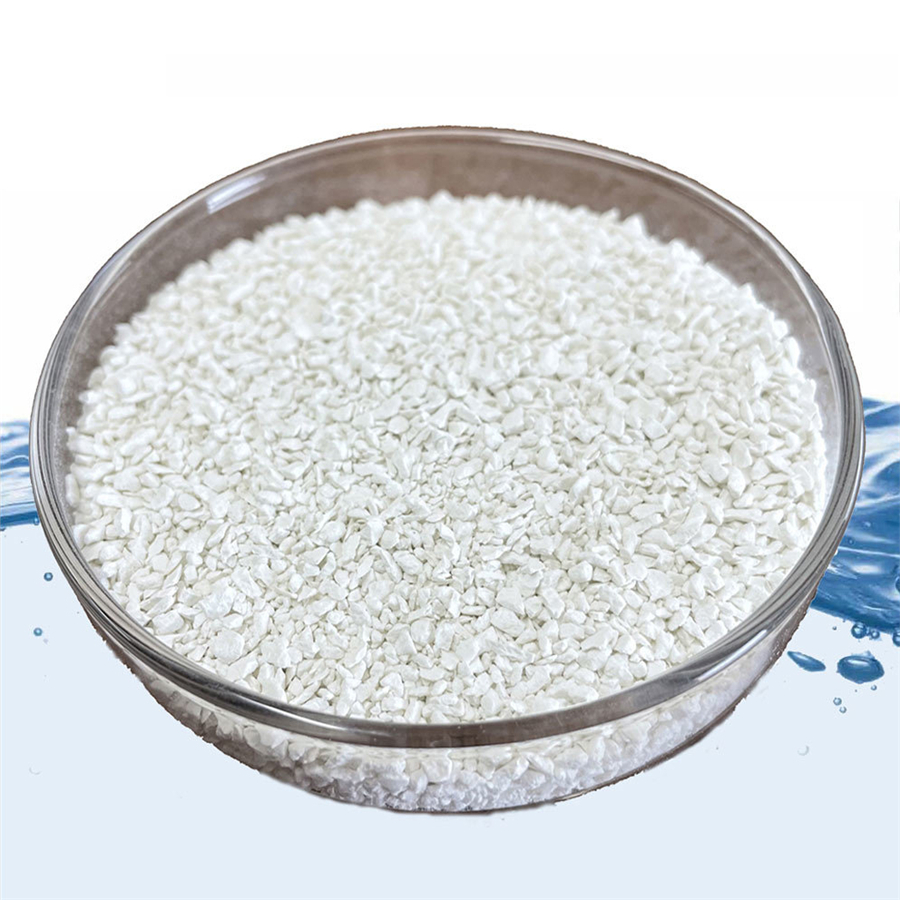
Sodium Dichloroisocyanurate, commonly known as SDIC, is a solid chlorine compound available in powder or tablet form. It releases chlorine when dissolved in water, acting as a powerful disinfectant and oxidizing agent. SDIC is highly stable, easy to handle, and provides controlled, long-lasting chlorine release. This makes it ideal for aquaculture ponds, livestock facilities, and seed treatment applications where maintaining microbial control is critical.
Unlike liquid chlorine, SDIC has a longer shelf life and is safer to store and transport. Its strong oxidizing properties allow it to eliminate bacteria, viruses, algae, and fungi efficiently, making it a versatile solution for various agricultural and aquaculture needs.
Applications in Aquaculture
Disease outbreaks in aquaculture ponds can lead to significant economic losses. SDIC is widely used to maintain water quality and prevent microbial contamination.
1. Pond Disinfection
● Dissolve the recommended amount of SDIC in water and evenly distribute it throughout the pond.
● Maintain free chlorine levels at safe and effective concentrations for aquatic species.
● Regular application prevents bacterial and viral outbreaks, controlling pathogens before they affect fish, shrimp, or other farmed species.
2. Algae and Biofilm Control
● SDIC oxidizes organic matter and reduces algae accumulation in ponds.
● Prevents the formation of biofilm that can harbor harmful microorganisms.
● Helps maintain oxygen levels and water clarity, improving the overall health of aquaculture species.
3. Environmental Sanitization
● SDIC can be used to disinfect equipment, nets, and tanks between harvest cycles.
● Reduces cross-contamination risks and ensures a cleaner aquaculture environment.
Applications in Agriculture
SDIC is equally valuable in agricultural operations, providing environmental sanitation and seed treatment solutions.
1. Livestock and Poultry House Disinfection
● SDIC is used to disinfect animal housing, reducing microbial contamination and preventing disease spread.
● Helps control pathogens like Salmonella and E. coli in poultry and livestock environments.
● Regular environmental disinfection improves animal health and supports higher productivity.
2. Seed Fungal Treatment
● SDIC can treat seeds to prevent fungal infection before planting.
● Helps improve germination rates and protects crops from early-stage diseases.
● Ensures higher yield and healthier plant development, reducing the need for chemical fungicides.
3. Irrigation Water Treatment
● Dissolving SDIC in irrigation water can control microbial contamination.
● Ensures that water delivered to crops is safe and reduces the risk of transmitting soil-borne pathogens.
● Supports sustainable agricultural practices by minimizing crop loss due to contamination.
Benefits of Using SDIC in Aquaculture and Agriculture
Using Sodium Dichloroisocyanurate offers several advantages for B2B operators in both aquaculture and agriculture:
● Effective disinfection – Eliminates bacteria, viruses, algae, and fungi efficiently.
● Long-lasting chlorine release – Maintains microbial control over extended periods.
● Stable and safe to handle – Powder and tablet forms reduce storage and handling risks compared to liquid chlorine.
● Versatile applications – Can be used in ponds, livestock houses, seeds, irrigation water, and equipment.
● Improves yield and productivity – Healthy aquatic species and crops result in higher profits and sustainability.
Safety and Handling Recommendations
Although SDIC is highly effective, proper handling and storage are essential:
● Store in a cool, dry, and well-ventilated area away from acids and organic materials.
● Avoid direct contact with skin or eyes; always wear personal protective equipment (PPE).
● Follow the manufacturer’s recommended dosage and application guidelines.
● Ensure proper dilution before use in aquaculture ponds or seed treatment to prevent overdosing.
By adhering to safety protocols, operators can maximize SDIC’s benefits while minimizing potential risks.
Conclusion
Sodium Dichloroisocyanurate is a highly effective and versatile chemical for aquaculture and agricultural operations. From pond disinfection to livestock house sanitation and seed fungal treatment, SDIC provides reliable microbial control that supports healthy production and sustainable farming practices. Proper application, regular monitoring, and adherence to safety guidelines ensure optimal results. For B2B operators in aquaculture and agriculture, SDIC represents a practical, safe, and efficient solution to improve yield, protect livestock and crops, and maintain a healthy environment.
FAQ
Q1: How is SDIC applied in aquaculture ponds?
Dissolve the recommended amount in water and distribute evenly. Maintain free chlorine levels suitable for aquatic species.
Q2: Can SDIC be used for livestock and poultry houses?
Yes, it effectively disinfects animal housing, reducing pathogens and disease risks.
Q3: How does SDIC benefit seed treatment?
It prevents fungal infection, improves germination rates, and protects crops from early-stage diseases.
Q4: Is SDIC safe to handle in agricultural operations?
Yes, but always use PPE, store in a cool dry place, and follow manufacturer dosing guidelines.