


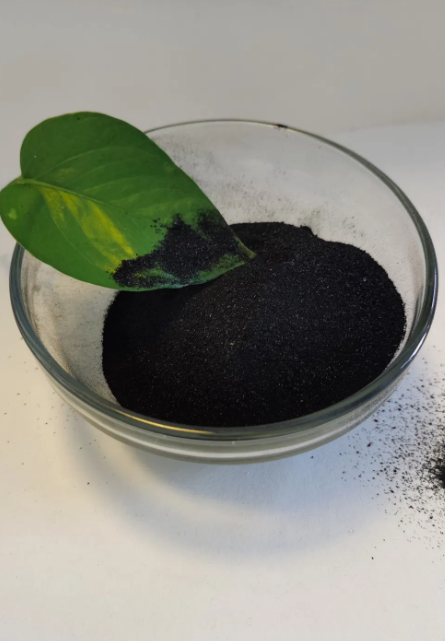
When Agriculture Starts Focusing on “Soil Efficiency”: Potassium Humate Emerges as a New Choice for Precision Farming
Modern agriculture is entering a new stage. Growers are no longer concerned only with how much fertilizer is applied, but also with how effectively nutrients can work within the soil environment throughout the growing cycle.
This shift is creating new opportunities for potassium humate, particularly in protected cultivation, fruit and vegetable production, horticulture and fertigation systems.
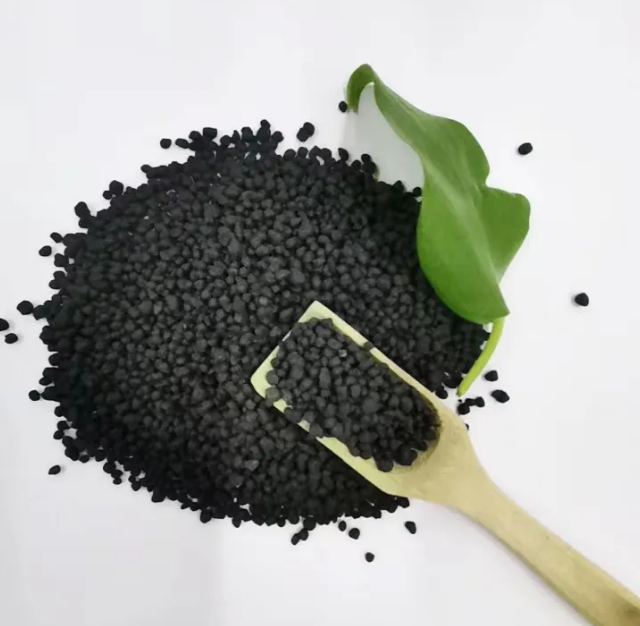
Potassium humate is a potassium salt of humic acid and is generally used as a complementary agricultural input. Research has reported positive effects on certain soil properties and nutrient availability when potassium humate is used alongside conventional fertilizers, although performance can vary with soil, crop and product conditions.
From Fertilization to Soil Management
Traditional agricultural programs have mainly focused on supplying nitrogen, phosphorus and potassium. Today, growers are paying more attention to long-term soil conditions, especially under continuous cultivation.
This is increasing interest in the Soil Conditioner role of potassium humate. Rather than replacing conventional fertilizers, it can be incorporated into broader soil-management and fertilizer programs.
This positioning is particularly relevant to intensive fruit, vegetable and horticultural production, where long-term soil management is becoming increasingly important.
Fertigation Creates New Product Opportunities
Changes in irrigation technology are also influencing the potassium humate market.
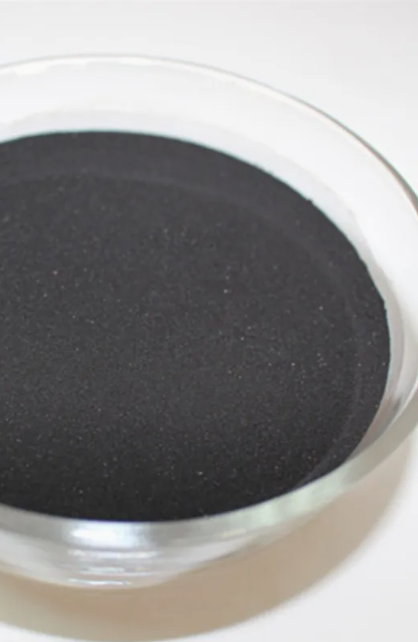
With drip irrigation and water-soluble fertilizer systems becoming more common, buyers are paying greater attention to products that can disperse and dissolve effectively. Soluble Potassium Humate is therefore becoming an important product direction.
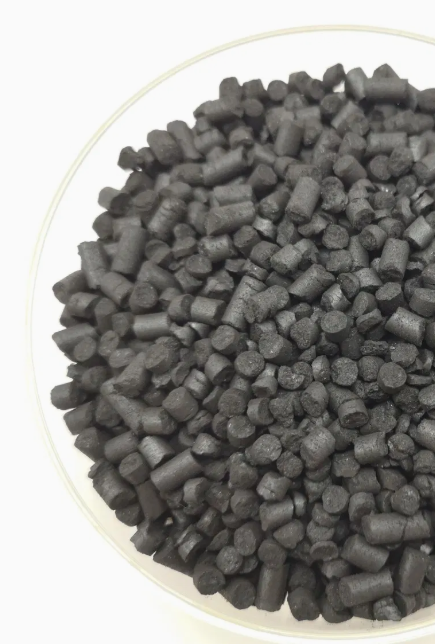
For fertilizer manufacturers, stable chemical specifications are no longer the only consideration. Physical properties, formulation compatibility and batch consistency can also influence production efficiency.
Expanding into High-Value Agriculture
The potential applications of potassium humate are expanding into fruit trees, vegetables, horticulture and protected cultivation.
These sectors place greater emphasis on soil conditions, root-zone management and long-term production efficiency. Potassium humate can therefore be incorporated as a supporting material in a Plant Growth Stimulant program.
It can also serve as a raw material for blended and water-soluble fertilizer products, expanding its potential customer base from growers to fertilizer manufacturers, agricultural brands and distributors.
Quality Is Becoming More Important
As the humate market develops, international buyers are becoming more selective.
In addition to humic and potassium content, solubility, raw material quality, batch consistency, packaging and export documentation can all influence purchasing decisions.
For fertilizer manufacturers, reliable High Purity Humate materials can provide greater consistency during formulation and production.
This means future competition in the potassium humate market is likely to depend increasingly on product quality, application compatibility and reliable supply rather than price alone.
A More Specialized Market for Potassium Humate
Potassium humate is moving from a traditional fertilizer-supporting material toward a more specialized agricultural input for soil management and fertigation systems.
It is not a replacement for conventional fertilizers or a universal solution for soil problems. However, as agriculture increasingly focuses on soil quality and efficient resource use, potassium humate is gaining new opportunities in modern crop production.
For manufacturers and international suppliers, the next stage of the market may be less about simply selling a product and more about providing consistent Potassium Humate that fits the increasingly specialized needs of global agriculture.