


When Caustic Soda Becomes a Critical Interface in Manufacturing: Rethinking Solid Caustic Soda from a Procurement Perspective
In chemical manufacturing, pulp and paper, textiles, alumina production, cleaning chemicals, water treatment and many other industries, caustic soda is rarely the final product. However, it often occupies an important position within the production process. It can participate directly in chemical reactions while also helping with pH adjustment, impurity removal and process conditioning. According to the U.S. EPA, sodium hydroxide is widely used for pH adjustment, metal precipitation and the manufacture of various chemicals, with significant applications across organic chemicals, inorganic chemicals and pulp and paper production.
For buyers, the real question is therefore not simply the price per ton. Product form, purity, packaging, transportation requirements and supply consistency can all determine whether the material fits smoothly into an existing production system.
From “Buying a Chemical” to “Matching a Production Process”
Many buyers first associate caustic soda with cleaning, pH adjustment or chemical reactions. In industrial manufacturing, however, its role can be much broader.
In some continuous production processes, caustic soda may be involved in pretreatment, impurity removal and subsequent process adjustment. Water treatment provides a good example. Sodium hydroxide can be used for pH adjustment and metal precipitation, while also serving as a raw material for chemicals such as sodium hypochlorite, calcium hypochlorite and sodium silicate.
This makes the purchasing decision more than a simple product-name selection. Buyers need to understand what role the material will actually play after it enters the production line.
For companies that consume caustic soda regularly, consistent physical properties, practical packaging and stable quality between batches can also influence day-to-day handling. Instead of focusing only on the lowest quotation, procurement teams increasingly need a complete product-matching standard.
Why Solid Products Can Fit International Industrial Procurement
Solid caustic soda can provide practical flexibility for international industrial buyers because it can be transported and stored according to different plant conditions.
Some factories do not have dedicated liquid caustic storage tanks, pumping systems or specialized liquid chemical handling facilities. In such cases, solid products may reduce dependence on certain liquid-handling equipment.
This is why an effective purchasing inquiry should go beyond one question: “How many tons do you need?”
Buyers should also consider the dosing method, expected storage period, packaging requirements, intended application and local unloading conditions.
These details may initially appear to belong to logistics rather than chemistry, but they can directly influence how efficiently the product is handled and incorporated into production.
Purity Requirements Should Follow the Actual Application
For industrial buyers, 96% and 99% caustic soda should not simply be viewed as “lower purity” and “higher purity” alternatives.
Different manufacturing processes have different tolerance levels for impurities. Some industrial applications focus strongly on balancing basic chemical performance with purchasing cost, while processes that are more sensitive to impurities may require tighter specifications.
Therefore, an inquiry containing only the term “caustic soda” may not provide enough information for a supplier to prepare an accurate offer. A more useful inquiry can include the required purity, product form, packaging, estimated quantity and intended industry.
This gives suppliers a clearer understanding of the application and makes it easier to provide a targeted quotation rather than a generic offer.
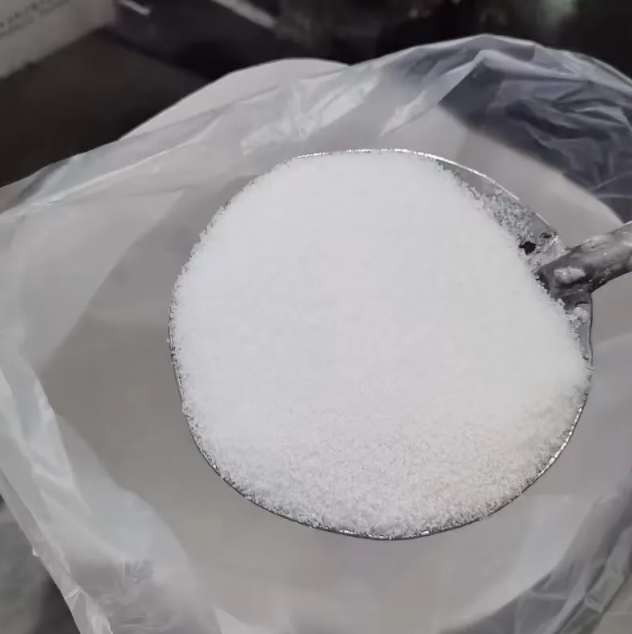
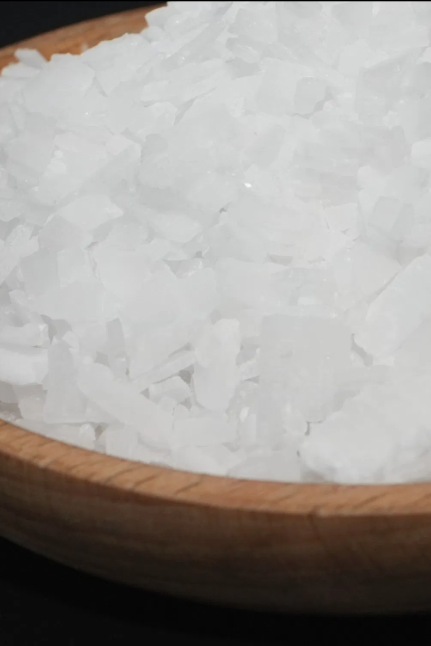
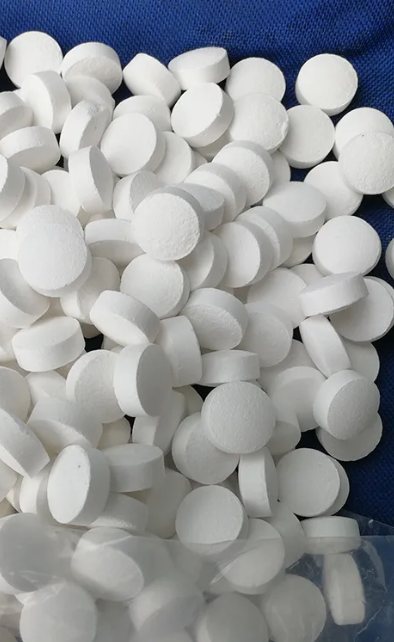
For industrial buyers looking for commonly traded solid products, 96% Caustic Soda Flakes, 99% Caustic Soda Flakes, Industrial Grade Caustic Soda, Sodium Hydroxide, and Caustic Soda Pearls can correspond to different purchasing requirements and product specifications.
An Important Supply-Chain Factor: The Chlor-Alkali Connection
Caustic soda is closely connected with the chlor-alkali industry. The chlor-alkali process produces chlorine, hydrogen and sodium hydroxide through the electrolysis of brine, which means caustic soda supply is closely linked with the wider chlor-alkali production chain.
This relationship matters when overseas buyers are developing long-term procurement plans.
A single quotation cannot fully represent a supplier's ability to support continuous production. Production source, specification consistency, export experience, packaging capability and delivery performance can all be relevant when evaluating a long-term supplier.
For manufacturers that rely on continuous raw-material availability, supply consistency can be just as important as the initial quotation. International procurement involves production, packing, booking, port handling and customs clearance, and changes at any stage can influence the final delivery schedule.
As a result, international caustic soda procurement is increasingly becoming a matter of supply-chain matching rather than simply purchasing a chemical product.
From One Quotation to a Long-Term Supply Relationship
For companies that consume caustic soda regularly, a periodic procurement plan can be more practical than repeatedly starting from a one-time quotation.
Procurement teams can define expected quarterly or annual requirements and then coordinate purchasing batches with production schedules. Standardizing product specifications, packaging, shipping arrangements and quality documentation can also reduce repeated communication during future orders.
For suppliers, this approach means understanding the customer's actual production requirements rather than simply offering a product name and a price.
Caustic soda may be a mature and widely traded industrial chemical, but it connects with numerous manufacturing processes. A valuable supply relationship is therefore not simply about completing one order. It is about creating a stable match between product quality, packaging, logistics and continuous supply.
For overseas buyers seeking a reliable long-term caustic soda supplier, defining requirements from the perspective of the production process and then selecting a supplier capable of consistently meeting those specifications can make future procurement more efficient while supporting a more stable manufacturing plan.