





Why Industrial Engineers are Switching from Traditional Bleach to Sodium Dichloroisocyanurate (SDIC)
In the realms of industrial water treatment, textile processing, and public sanitation, choosing the right chemical agent has always been a strategic balance between efficacy, safety, and total cost of ownership. For decades, calcium hypochlorite and liquid bleach were the standard go-to products. However, as global supply chains enforce stricter environmental compliances and operations demand tighter cost controls, procurement managers and water treatment engineers are increasingly turning their attention to a superior alternative: Sodium Dichloroisocyanurate (SDIC).
As a highly innovative Stabilized Chlorine Compound, SDIC is rapidly reshaping the landscape of industrial cleaning and disinfection. For decision-makers who must balance strict procurement budgets with strict field requirements, here is how SDIC addresses real-world pain points.
Solving the Storage Pain Point: Stability vs. Degradation
For chemical buyers, the biggest drawback of traditional chlorine-based agents, such as liquid sodium hypochlorite, is their rapid degradation. Liquid bleach loses its available chlorine content quickly when exposed to sunlight and varying warehouse temperatures. This means companies end up paying for active ingredients that literally evaporate into thin air, all while dealing with the logistical headaches of frequent reordering.
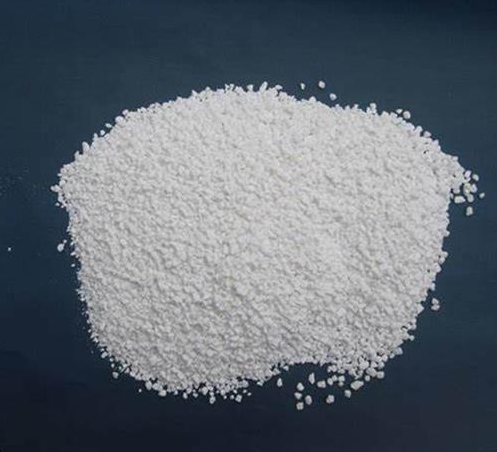
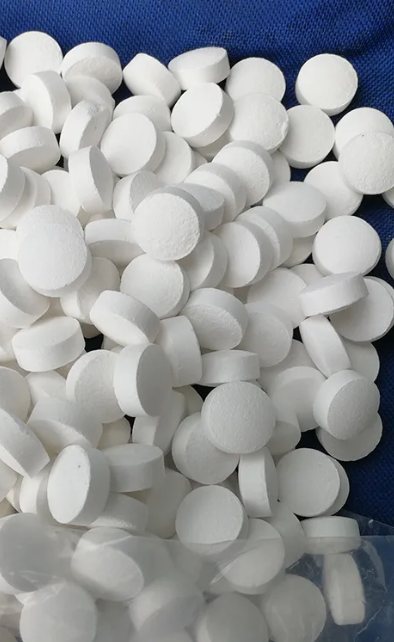
In contrast, SDIC, as a concentrated dry granule or powder, offers exceptional chemical stability. Its rate of degradation is negligible even during long-term storage in hot and humid warehouse conditions. For international buyers relying on long-distance ocean freight or bulk stockpiling, SDIC guarantees a significantly longer shelf life and minimal product loss, translating directly into bottom-line savings.
The Engineer's Advantage: Controlled Release and Adaptability
From an on-site engineer's perspective, the fluctuation of free chlorine levels is a constant challenge in water systems. Traditional bleaching powders release their chlorine all at once upon contact with water, creating an initial spike that can corrode equipment, followed by a rapid drop that leaves the system vulnerable to bacterial growth.
SDIC solves this by acting as a smart Chlorine Releaser. Once dissolved, it establishes a chemical equilibrium between cyanuric acid and free chlorine. As the active chlorine is consumed by organic matter, the reservoir releases more to maintain a steady level. Furthermore, the built-in stabilizer protects the chlorine from being rapidly destroyed by UV rays in outdoor systems. This predictable performance allows engineers to maintain stable water quality without constant manual testing and dosing adjustments.
A Versatile Performer: From Textile Processing to Sanitation
While heavily utilized as a robust Disinfectant in commercial swimming pools and wastewater facilities, SDIC's powerful oxidizing capabilities make it equally indispensable in manufacturing. In the textile industry, it is widely utilized as a premium Fabric Whitener. During the finishing stages of cotton and blended fabrics, it removes natural impurities and pigments thoroughly without causing the severe fiber degradation often associated with harsher, traditional bleaching agents.
Additionally, in industrial cooling towers, SDIC prevents the accumulation of bio-slimes and algae. This ensures that heat exchangers remain clear, maintaining optimal thermal efficiency across the entire factory plant.
Conclusion: A Strategic Choice for Modern Supply Chains
For B2B buyers, sourcing industrial chemicals is no longer just about the lowest price per kilogram; it is about maximizing operational uptime, reducing chemical waste, and ensuring safety compliance. Sodium Dichloroisocyanurate (SDIC) delivers on all fronts by offering high stability, prolonged anti-microbial action, and reduced equipment wear. Partnering with a reliable SDIC manufacturer is a strategic move for any company looking to optimize its supply chain and drive operational efficiency.