Sodium Dichloroisocyanurate (SDIC) for Fabric Finishing - Top China Suppliers & Factory
Product Description
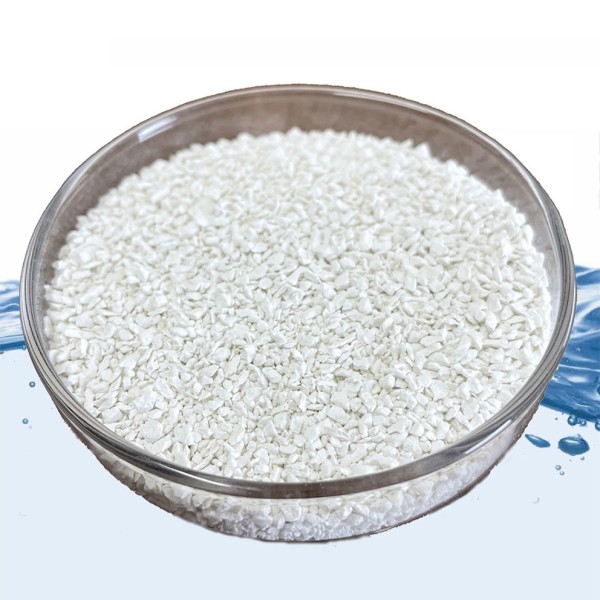
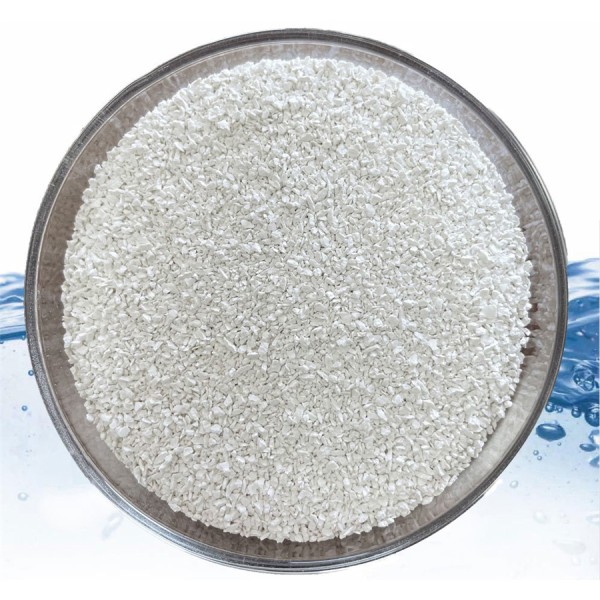
| Chemical Name | Sodium Dichloroisocyanurate |
| Available Chlorine Content | ≥56% (Higher-content products (60%-62%) available) |
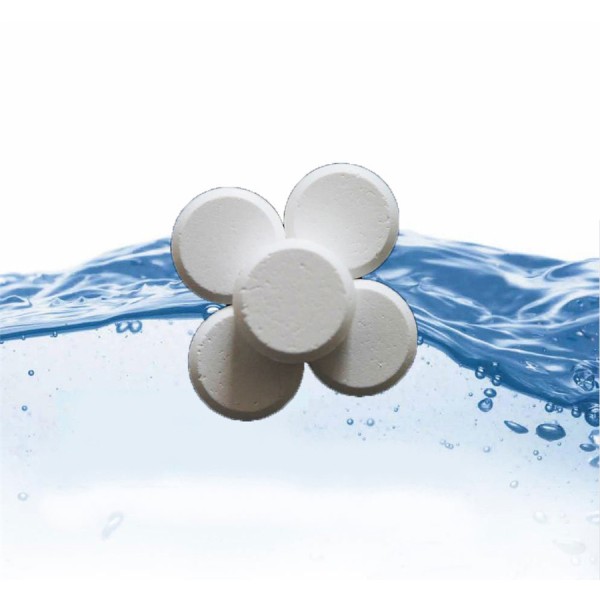
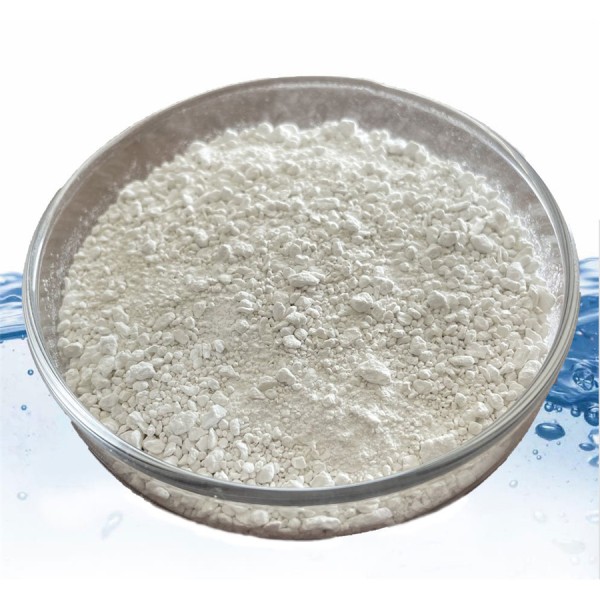
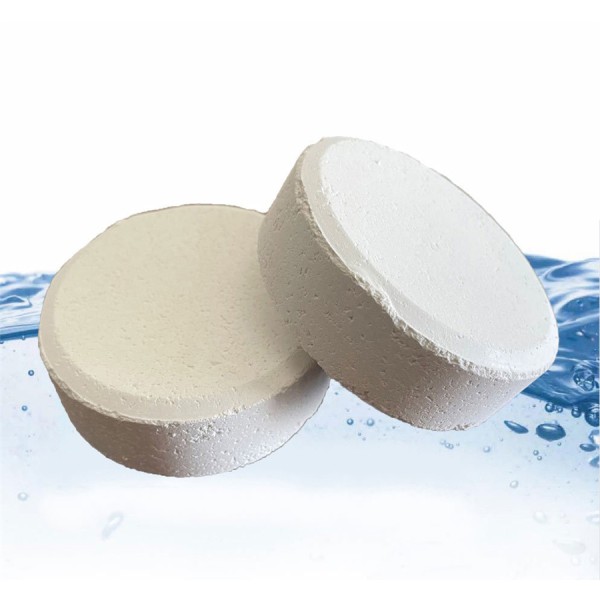
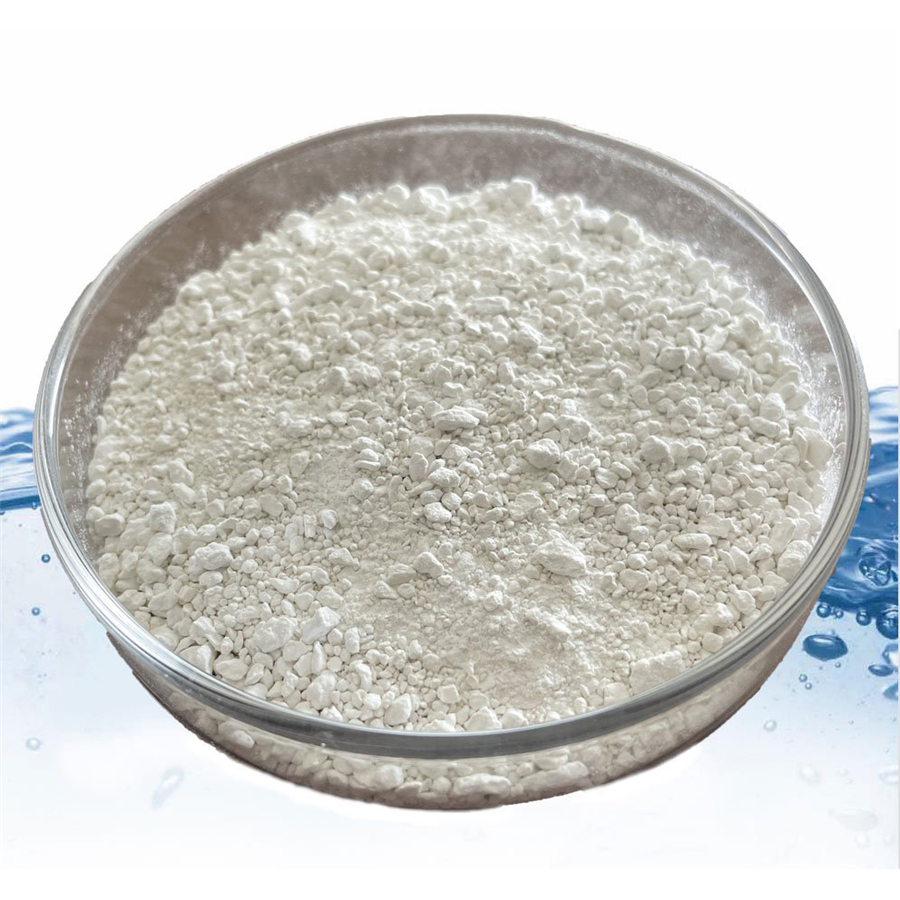
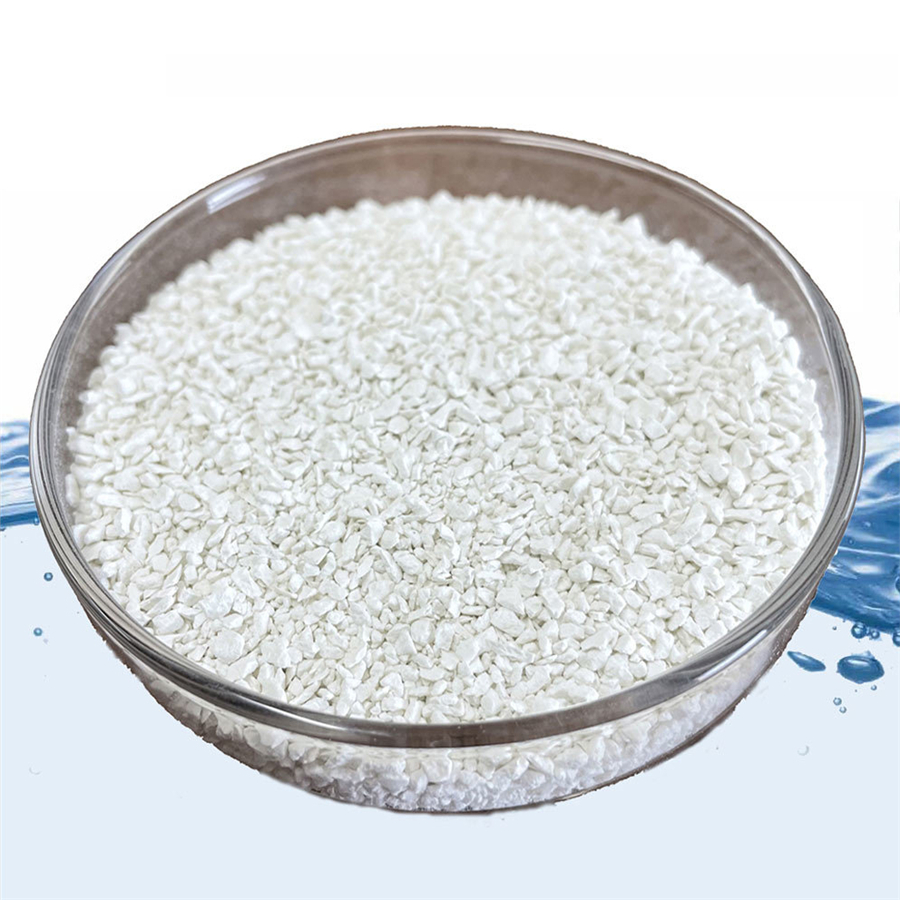
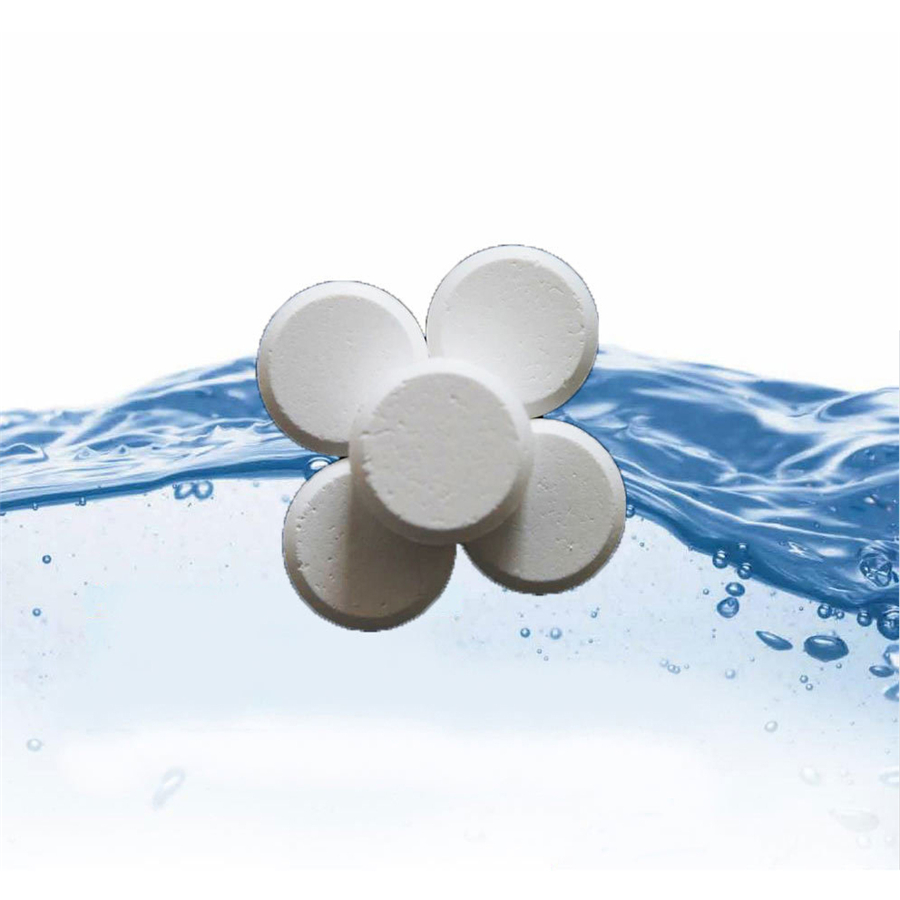
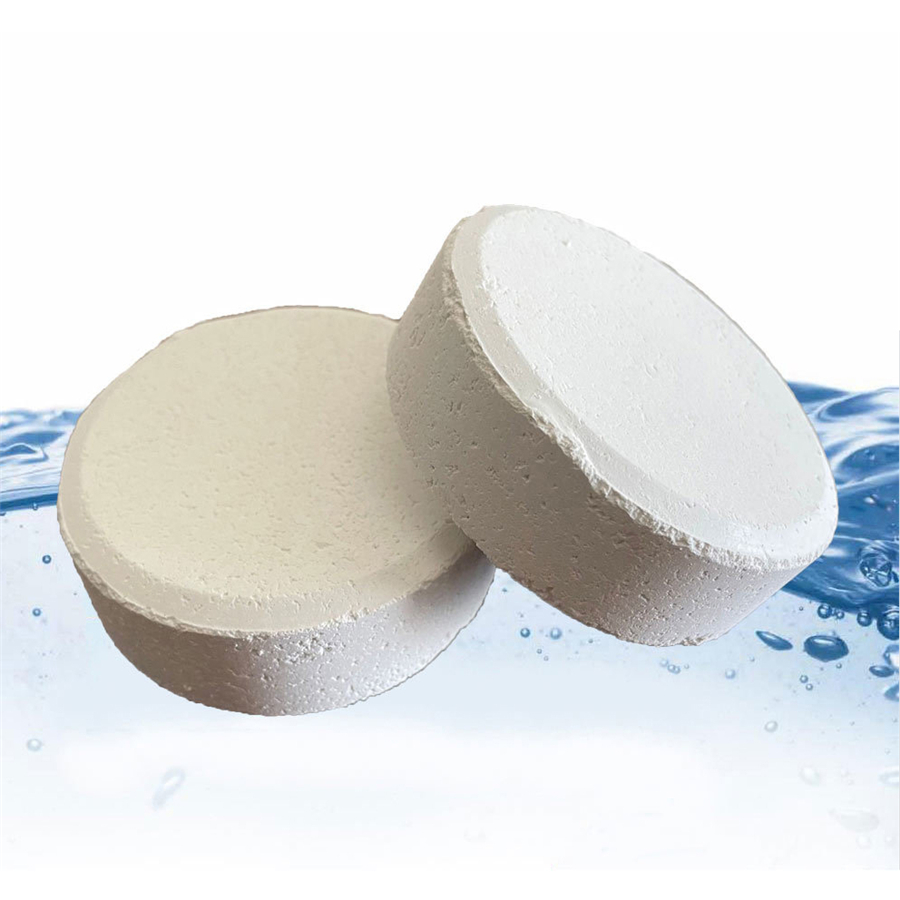
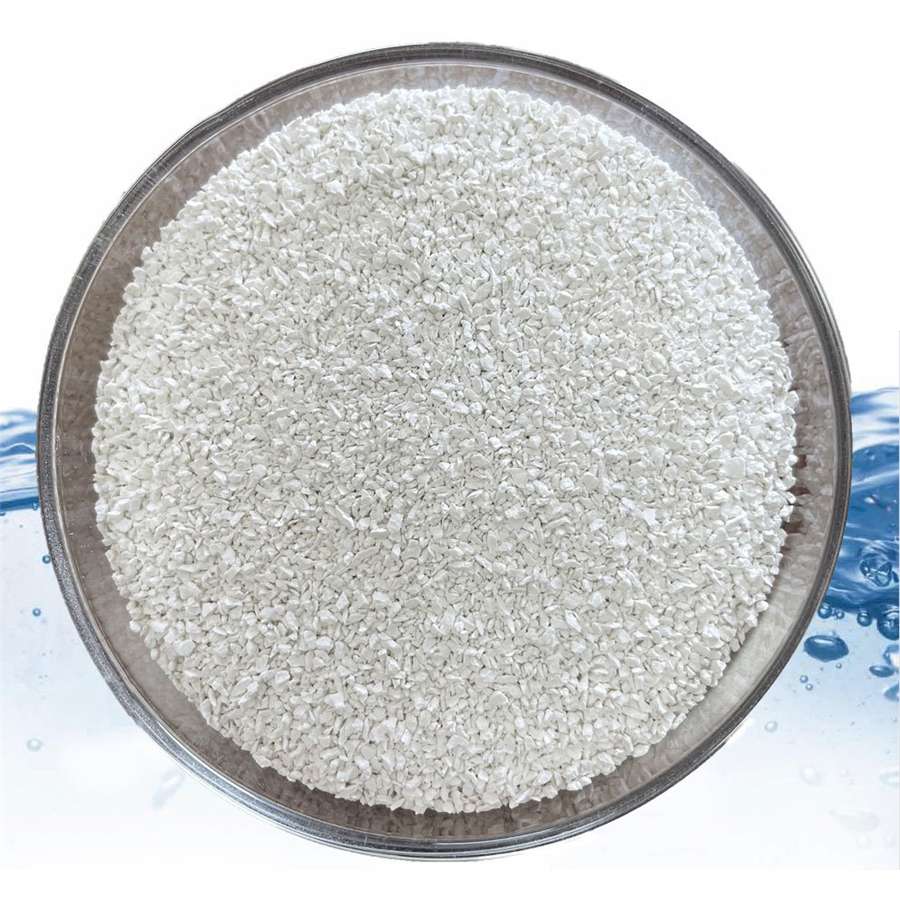
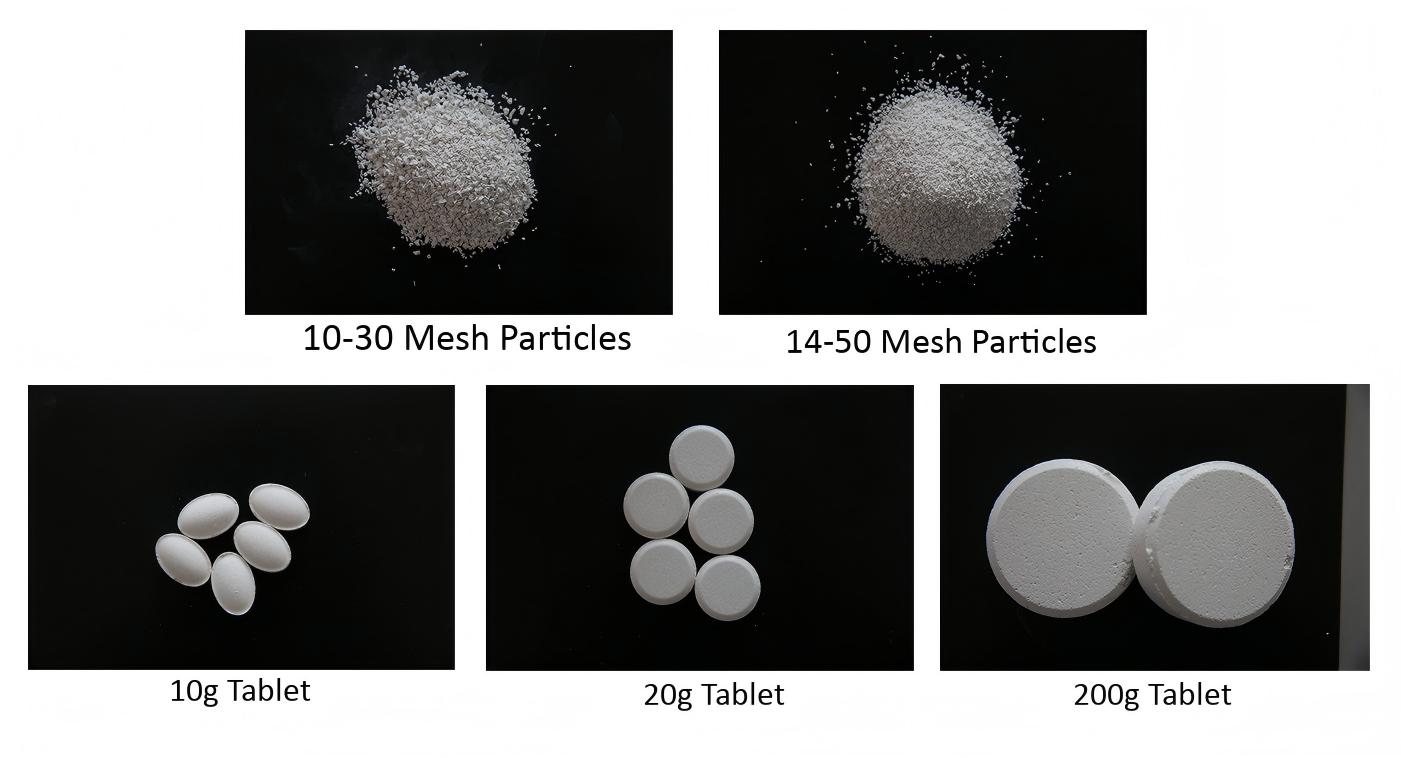
| Appearance | White powder, granules, 1g-200g Tablet |
| PH (1% solution) | Approximately 5.5-7.0, slightly acidic, making it more effective in disinfection. |
Application

1. Pool and Spa Disinfection
As one of the top choices for pool disinfection, SDIC tablets slowly dissolve, continuously and steadily releasing chlorine, effectively maintaining residual chlorine levels in pool water, killing pathogens and algae in the water, and maintaining a clear, blue water.
2. Drinking Water Disinfection and Emergency Water Treatment
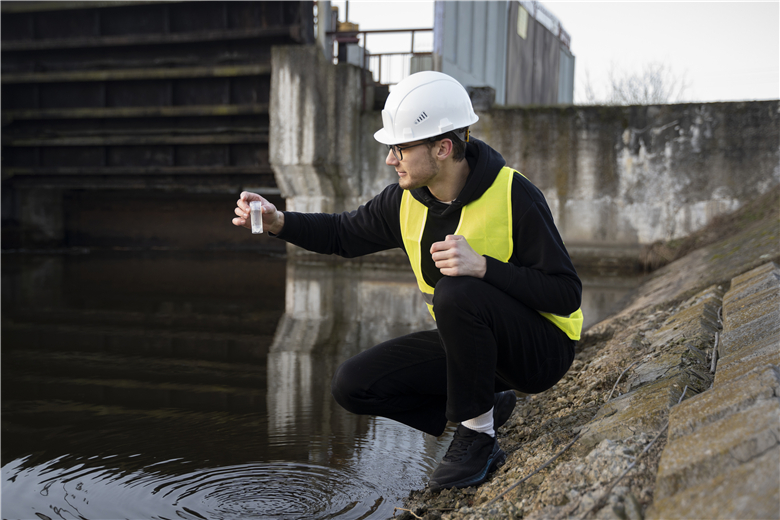
SDIC is approved for drinking water disinfection. It rapidly kills pathogenic microorganisms such as cholera and typhoid in water and is widely used in municipal water supply, emergency water supply in disaster areas, and personal outdoor drinking water safety.
3. Public Health and Medical Institution Disinfection
It is used to disinfect floors, walls, surfaces, and non-metallic medical devices in hospitals, schools, hotels, and public places.
5. Aquaculture and Agriculture
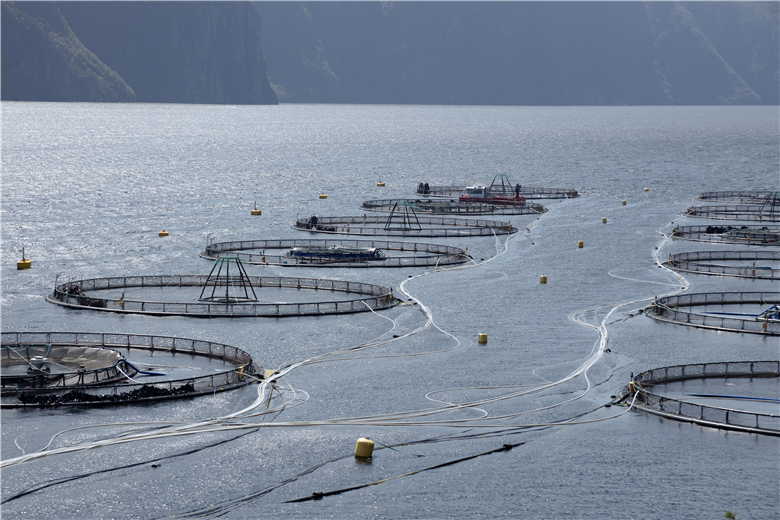
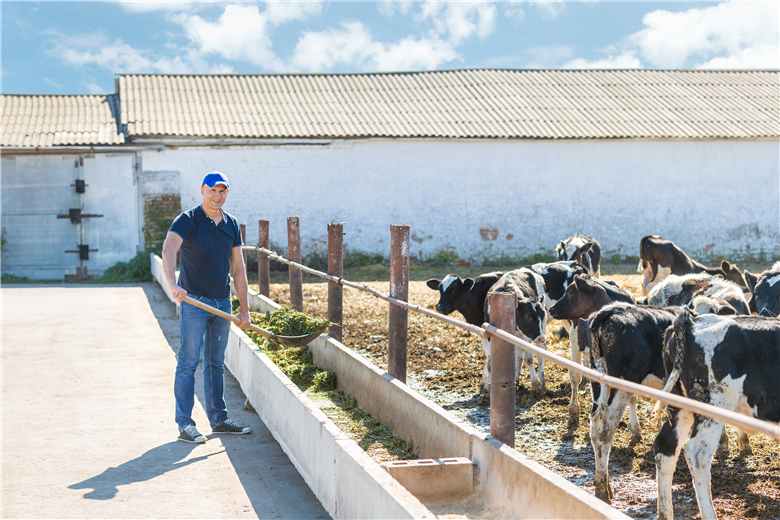
It is used for disinfecting aquaculture ponds, environmental disinfection of livestock and poultry houses, and fungal treatment of seeds.
Regular Packing
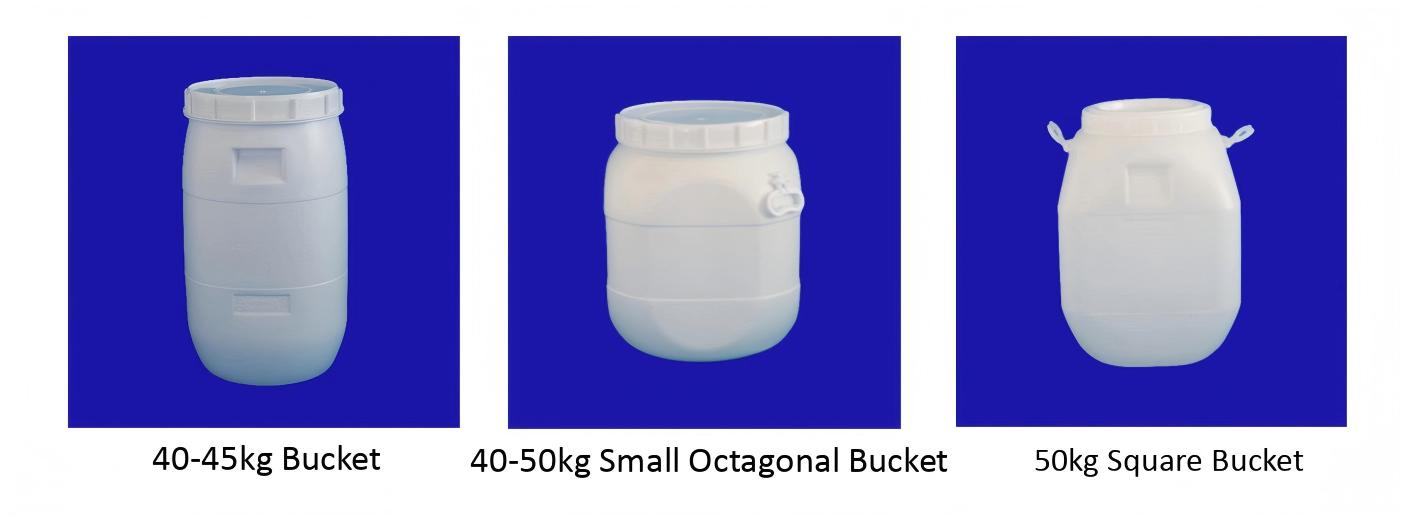
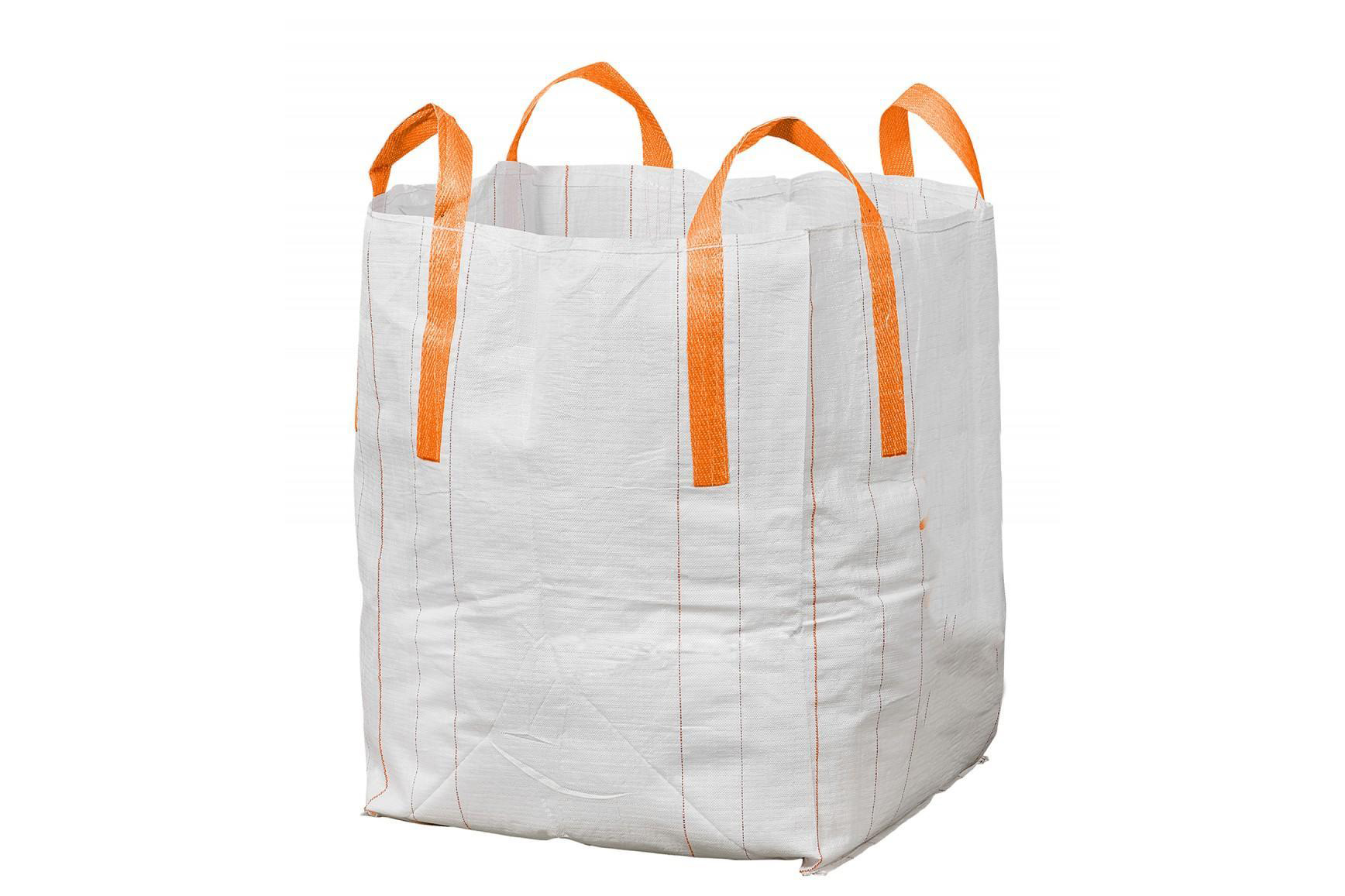
Customer-specified Packaging
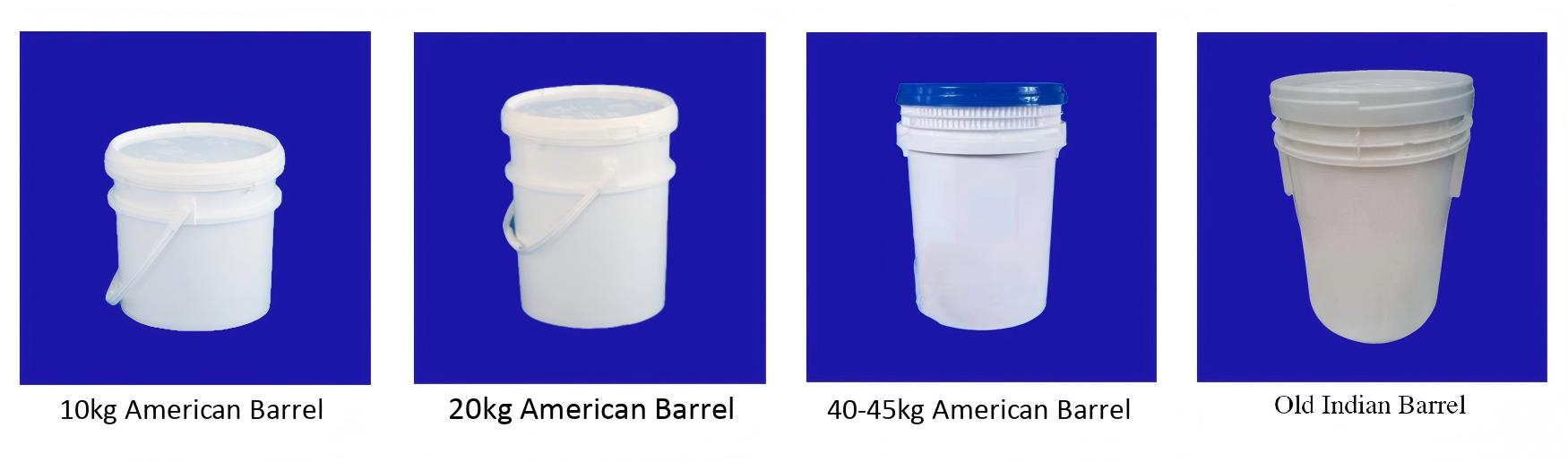
How To Use
| Application Scenario | Recommended effective chlorine concentration | Usage instructions |
| Swimming pool water disinfection | 1-3 ppm(Maintain concentration) | Use tablets and applicators to achieve continuous disinfection. Regularly test residual chlorine and maintain pH at 7.2-7.8. |
| Drinking water disinfection | 0.5-2 ppm(Maintaining residual chlorine) | Must use "Drinking water grade" SDIC. Disinfection contact time is not less than 30 minutes, the residual chlorine in the end water must meet local standards (usually 0.3-0.5ppm). |
| General surface disinfection | 500-1000 ppm | After diluting with the mother solution, spray or wipe the area for disinfection. Leave it on for 10-30 minutes, then rinse with clean water. |
| Public places/Hospital disinfection | 1000-2000 ppm | Use in high-risk areas such as toilets, trash cans, and surfaces in patient rooms. The effect lasts 15-30 minutes. |
| Industrial circulating water sterilization and algae removal | Set according to system conditions | Control microbial and algae growth by continuously dosing powder or tablets through an automatic dosing pump. |
| Animal Husbandry/Aquatic disinfection | Depends on the specific purpose | It can be used for water disinfection (low concentration) or pond cleaning (high concentration), and must strictly follow the guidance of aquatic experts. |
Concentration calculation formula (estimate):
Required SDIC mass (g) ≈ [Target concentration (ppm) × Water volume (L)] / (1000 × Available chlorine content%)
Example: To prepare 50 liters of a 1000 ppm stock solution, assume the SDIC has an available chlorine content of 56%.
Required SDIC mass ≈ (1000 × 50) / (1000 × 0.56) ≈ 89.3 g
Dissolving 89 g of SDIC powder in 50 liters of water yields a stock solution of approximately 1000 ppm.
Advantages
Storage Method
| Aspect | Best Practices | Things to avoid |
| Environment | Cool, dry and ventilated place | High temperature, high humidity, and direct sunlight |
| Package | Original sealed packaging, sealed immediately after taking out | Store in open storage, use damaged packaging |
| Isolation | Separate area storage | Mixed with acids, reducing agents, and flammable materials |
| Shelf life | Under ideal conditions, it can be 24 months | In severe conditions this may be shortened to several months |