
Advanced CIP System and Environmental Sanitation Solution for Food & Beverage Processing
Challenges
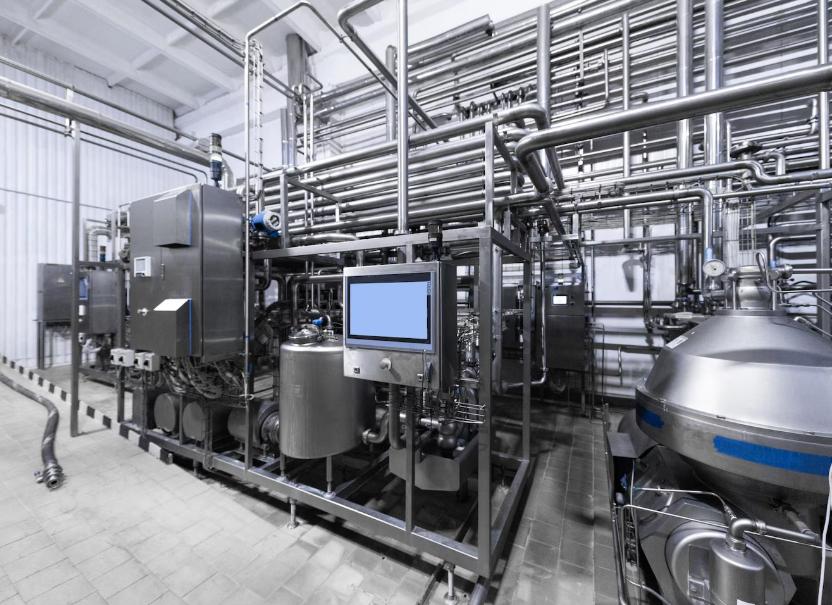
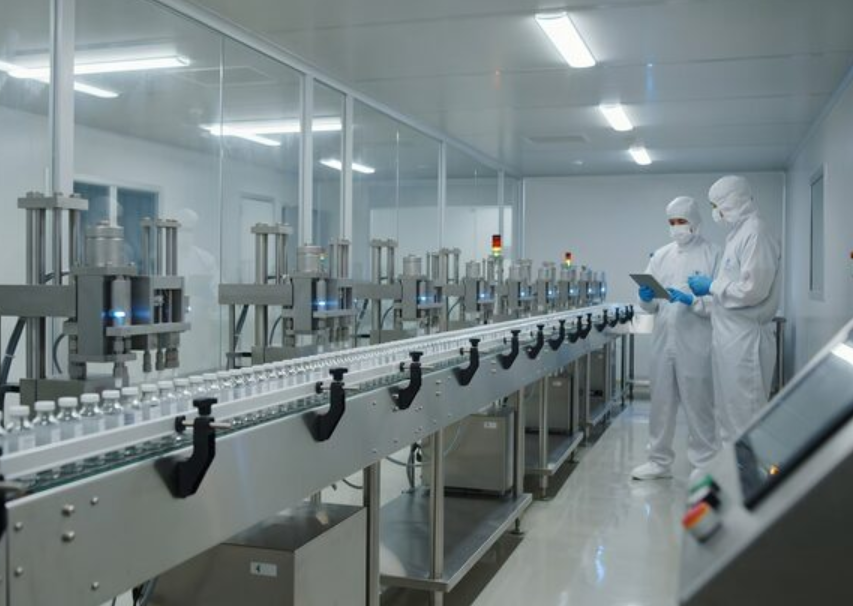
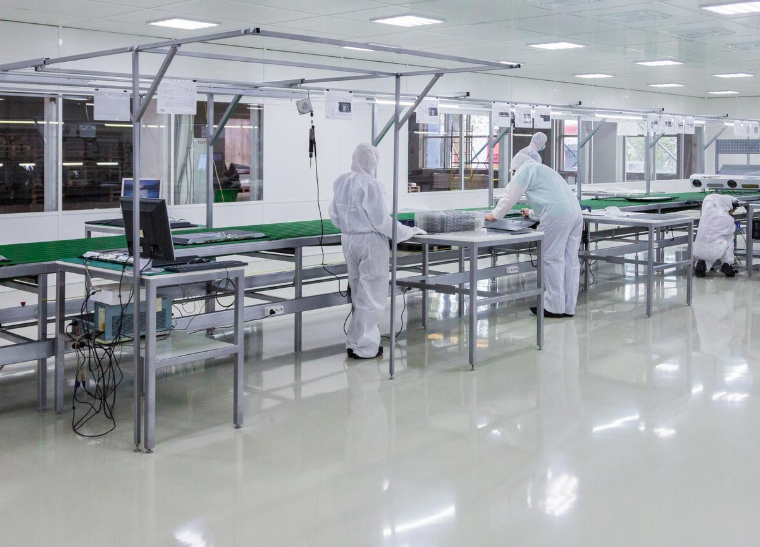
In large-scale meat processing, dairy production, and beverage bottling plants, the hygiene of processing pipelines, Clean-in-Place (CIP) systems, and packaging environments directly governs product shelf life and food safety. Proteins, fats, and sugars from food raw materials readily build up on pipe walls, heat exchangers, and conveyor crevices, forming exceptionally stubborn biofilms. These biological films act as protective shields, harboring dangerous pathogens such as Listeria monocytogenes, Salmonella, and E. coli, rendering ordinary acid-alkaline cleaners and simple surfactants ineffective. Any detachment of this biofilm causes severe batch contamination risks. Moreover, traditional sanitizers suffer from harsh chemical odors, brief contact windows, or sharp drops in efficacy inside refrigerated cold-room environments.
Solutions
To meet the stringent food-grade standards for non-toxic, residue-free, and high-penetration sanitization, we introduced an advanced sanitation and biofilm-stripping solution powered by Sodium Dichloroisocyanuric Acid (SDIC) combined with low-corrosion synergistic boosters. Leveraging the instantaneous dissolution and potent oxidizing capabilities of high-purity SDIC, this solution is precisely metered into CIP loops and environmental misting systems via automated dosing technology. The rapidly released active chlorine swiftly penetrates the extracellular matrix of biofilms, destroying pathogen cell walls and detaching hardened biological deposits from piping dead-legs and equipment crevices. Furthermore, the solid chemical formulation remains fully active in cold-temperature processing zones and degrades cleanly without leaving volatile toxic residues on food-contact surfaces.
Results
Successfully implemented across multiple major dairy and food processing facilities, this solution delivers outstanding sanitation performance. Biofilm removal efficiency within CIP pipelines and conveyor networks reached near-100%, raising pathogen-free compliance rates to peak industry standards and eliminating microbial product recall hazards. Because the sanitization cycle is exceptionally fast and non-corrosive, plants reduced total CIP cycle times, saving significant rinse water and operational downtime. Ultimately, this sanitation approach extended finished product shelf-lives by nearly 30%, markedly boosting overall market competitiveness and operational profitability.
 |
 |